
Antidepressants and Alcohol: Risks, Reactions, and What You Need to Know
When you take antidepressants, medications prescribed to treat depression, anxiety, and other mood disorders by balancing brain chemicals like serotonin and norepinephrine. Also known as mood stabilizers, they help millions manage daily life—but they don’t play well with everything, especially alcohol, a central nervous system depressant that slows brain function and alters mood. This combination isn’t just a bad idea—it’s a medical risk many people underestimate.
Antidepressants and alcohol don’t just cancel each other out. They amplify each other’s worst effects. Drinking while on SSRIs like sertraline or fluoxetine can make you drowsier, slower to react, and more prone to dizziness or falls. For some, it worsens depression instead of helping it. Alcohol lowers serotonin levels, which can undo weeks of progress from your medication. And if you’re on MAOIs—older antidepressants still used for treatment-resistant cases—the mix can spike your blood pressure to dangerous levels, even with just one drink. This isn’t speculation. It’s documented in clinical guidelines and emergency room data.
What about those who say, "I have one glass and feel fine?" That’s the trap. Short-term tolerance doesn’t mean safety. Over time, alcohol reduces the effectiveness of antidepressants, making symptoms come back stronger. It also increases the risk of overdose if you take extra pills to compensate for feeling worse. And if you’re dealing with suicidal thoughts, alcohol lowers your inhibitions—making impulsive actions more likely. The FDA and major psychiatric associations all warn against mixing them. Not because they want to take away your fun, but because the science is clear: this combo puts your health at risk.
Some people turn to alcohol to cope with side effects—like nausea or sleep problems—from their meds. But that’s like treating a fever with ice water while ignoring the infection. There are better ways: talk to your doctor about adjusting your dose, switching medications, or adding non-drug support like therapy or exercise. You don’t have to choose between feeling better and enjoying life. You just need to know what actually works.
Below, you’ll find real, evidence-based posts that dig into how antidepressants interact with other substances, what happens when you drink while on them, and how to protect your mental and physical health without giving up everything you love. These aren’t general warnings—they’re practical guides written for people who need to make smart choices every day.
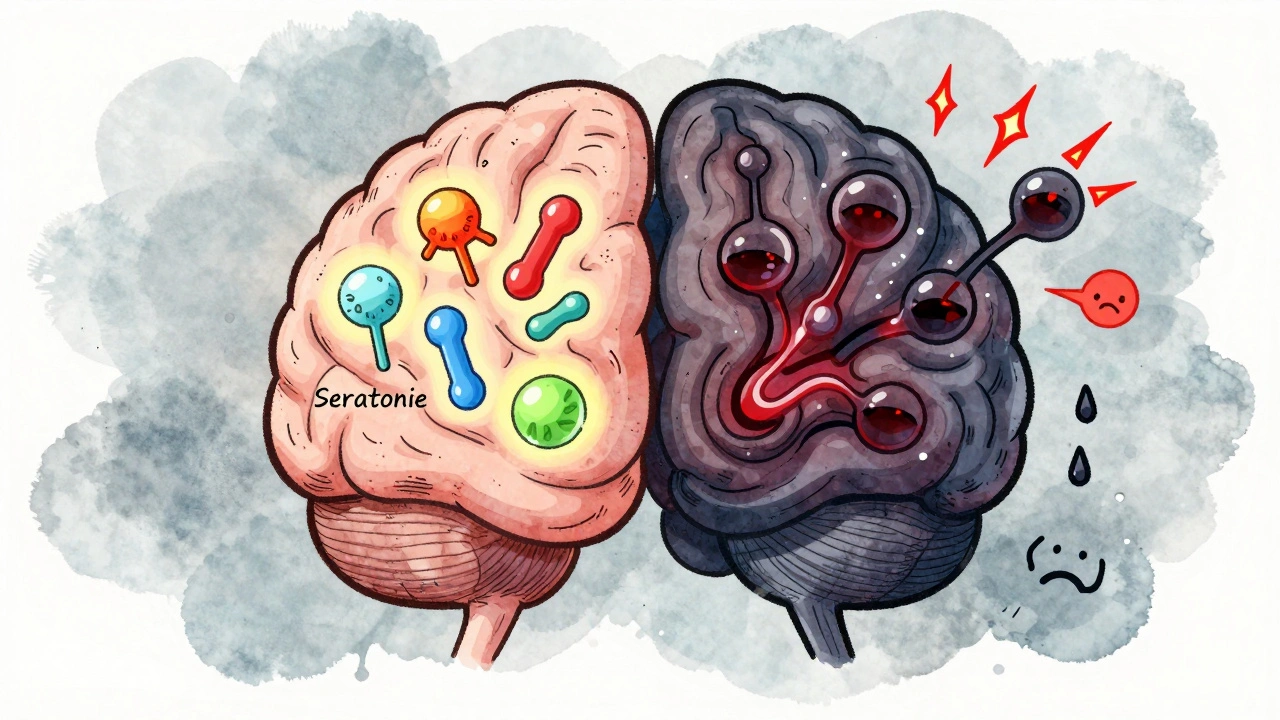
Antidepressants and Alcohol: What Happens When You Mix Them
Mixing antidepressants and alcohol can worsen depression, reduce medication effectiveness, and increase suicide risk. Learn why even one drink can be dangerous and what to do instead.