
Alcohol and Depression: How Drinking Affects Your Mood and What to Do About It
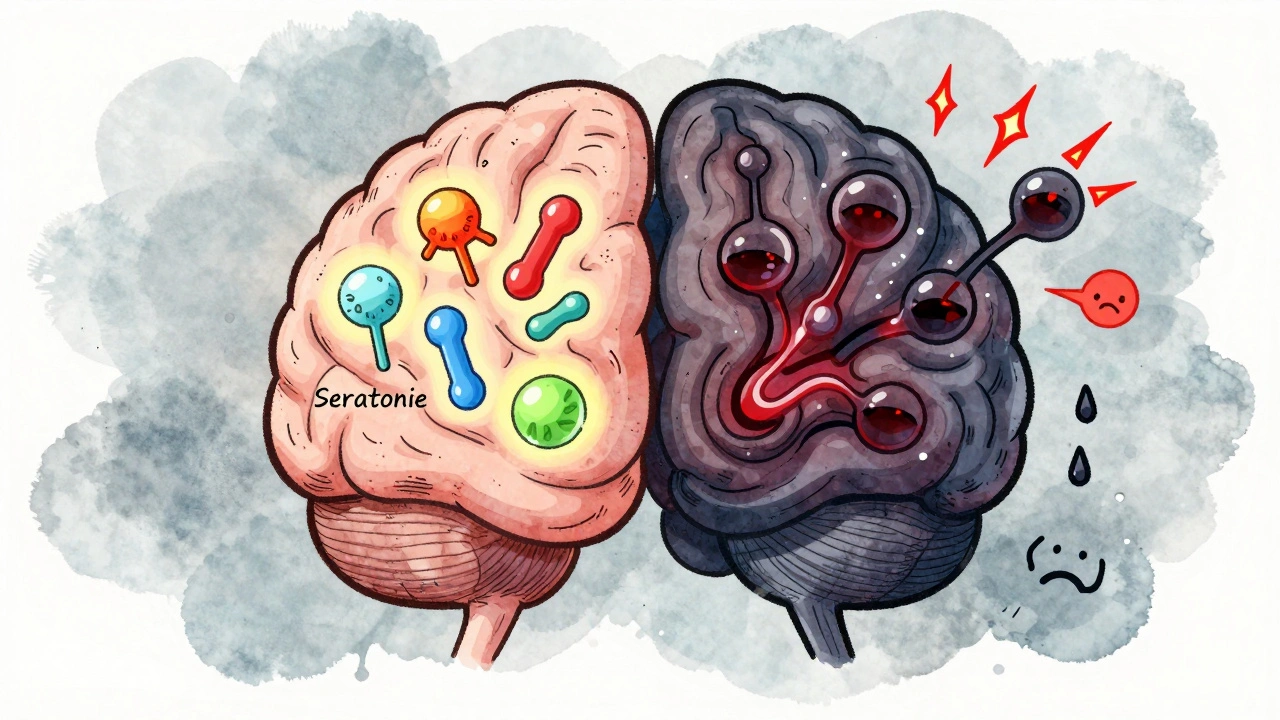
When you drink alcohol, you’re not just relaxing—you’re changing how your brain handles depression, a mental health condition marked by persistent sadness, loss of interest, and low energy. Many people turn to alcohol to quiet anxious thoughts or numb emotional pain, but science shows it doesn’t fix anything—it makes it worse. Over time, alcohol disrupts serotonin and dopamine levels, the same chemicals targeted by antidepressants. This isn’t coincidence. It’s biology. And it’s why people with depression often end up drinking more, feeling worse, and getting stuck in a cycle that’s hard to break.
Alcohol-induced depression, a mood disorder directly triggered by heavy or chronic alcohol use is real, and it’s often mistaken for regular depression. The difference? It can improve—or even disappear—after quitting drinking. But quitting isn’t simple. alcohol withdrawal, the physical and emotional reaction when someone stops drinking after long-term use can bring on intense anxiety, insomnia, and suicidal thoughts. That’s why people don’t just need willpower—they need support, medical oversight, and a clear plan. The good news? Studies show that within weeks of stopping, many people report better sleep, clearer thinking, and a noticeable lift in mood. But only if they stop completely.
What you won’t find in most advice is the truth about how alcohol masks depression instead of treating it. It gives a temporary high, then crashes harder than before. That crash isn’t just feeling tired—it’s your brain struggling to function without the chemical crutch. And if you’re already on antidepressants, mixing them with alcohol can reduce their effectiveness, increase side effects like dizziness or drowsiness, and even raise your risk of liver damage. This isn’t theoretical. It’s happening every day to people who think they’re just having a drink to unwind.
There’s no magic fix. But the path forward starts with honesty: Are you drinking to feel better? Or are you feeling worse because you’re drinking? The posts below don’t sugarcoat it. They show real cases, real science, and real steps people took to break free—not from willpower alone, but from understanding how their body and mind are connected. You’ll read about how stopping alcohol changed someone’s mental health overnight, how withdrawal symptoms were managed safely, and why some medications work better than others when alcohol is involved. This isn’t about guilt. It’s about clarity. And it’s the first step to real recovery.
Antidepressants and Alcohol: What Happens When You Mix Them
Mixing antidepressants and alcohol can worsen depression, reduce medication effectiveness, and increase suicide risk. Learn why even one drink can be dangerous and what to do instead.