
Active Ingredients: What They Are and How They Shape Your Medications
When you take a pill, the part that actually does the work is called the active ingredient, the chemical compound responsible for the therapeutic effect in a medication. Also known as pharmacologically active substance, it’s what turns a tablet into a treatment—not the fillers, colors, or coatings. Whether it’s acetaminophen in Tylenol, semaglutide in Ozempic, or imatinib for leukemia, this single compound is why the drug works at all. And yet, most people don’t know what’s in their medicine beyond the brand name.
Active ingredients are the reason generic drugs, medications that contain the same active ingredient as brand-name versions but are sold without the brand name are just as effective. The FDA requires generics to match the brand in strength, dosage, and how the body absorbs the active ingredient. That’s why pravastatin works the same whether it’s sold as Pravachol or a generic. But here’s the catch: not all formulations are equal. A pill with the same active ingredient can behave differently if the delivery system changes, or if it interacts with another drug—like how ACE inhibitors and potassium-sparing diuretics can spike potassium levels, or how estrogen alters warfarin’s effect. These aren’t side effects of the brand—they’re reactions to the active ingredient itself.
Understanding active ingredients helps you make smarter choices. If you’re on multiple meds, knowing what’s in each one lets you spot dangerous overlaps—like taking two products that both contain acetaminophen and risking liver damage. It’s why pharmacists check your list before recommending a generic: they’re not just saving you money, they’re watching for hidden active ingredients that could clash. Even supplements like AREDS2 vitamins or Ayurslim have active ingredients that might interfere with prescriptions. And when it comes to something as critical as anaphylaxis or kidney disease linked to APOL1 variants, the active ingredient isn’t just a chemical—it’s the trigger, the protector, or the cause.
What you’ll find below isn’t just a list of articles. It’s a map of how active ingredients shape real health outcomes—from how they help children with asthma or prevent peanut allergies, to how they can quietly harm older adults or interact with hormone therapy. These posts cut through the noise and show you exactly what matters: the science behind the pill, the risks you can’t ignore, and the choices you actually have.
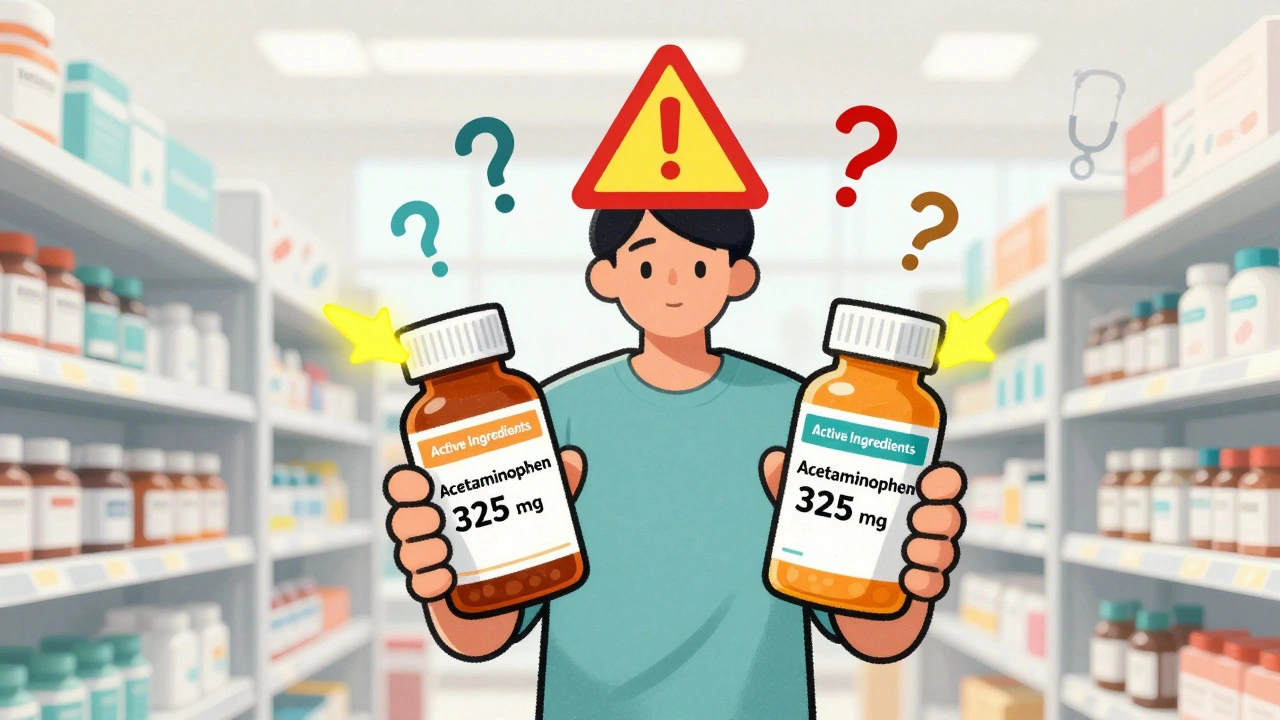
How to Read OTC Drug Facts Labels Correctly and Confidently
Learn how to read OTC drug facts labels to avoid dangerous overdoses, drug interactions, and allergic reactions. Know the active ingredients, warnings, and directions to use medications safely and confidently.