| Feature | Aqueous Deficiency (ADDE) | Evaporative Dry Eye (EDE) |
|---|---|---|
| Main Cause | Lacrimal glands don't make enough water | Oily layer is missing (MGD) |
| Prevalence | About 10-15% of cases | About 85-90% of cases |
| Common Triggers | Sjogren's syndrome, aging, medications | Screen time, blepharitis, environment |
| Best Fix | Artificial tears (water replacement) | Lipid-based drops & gland care |
Why Your Eyes Feel Dry: The Science of Tears
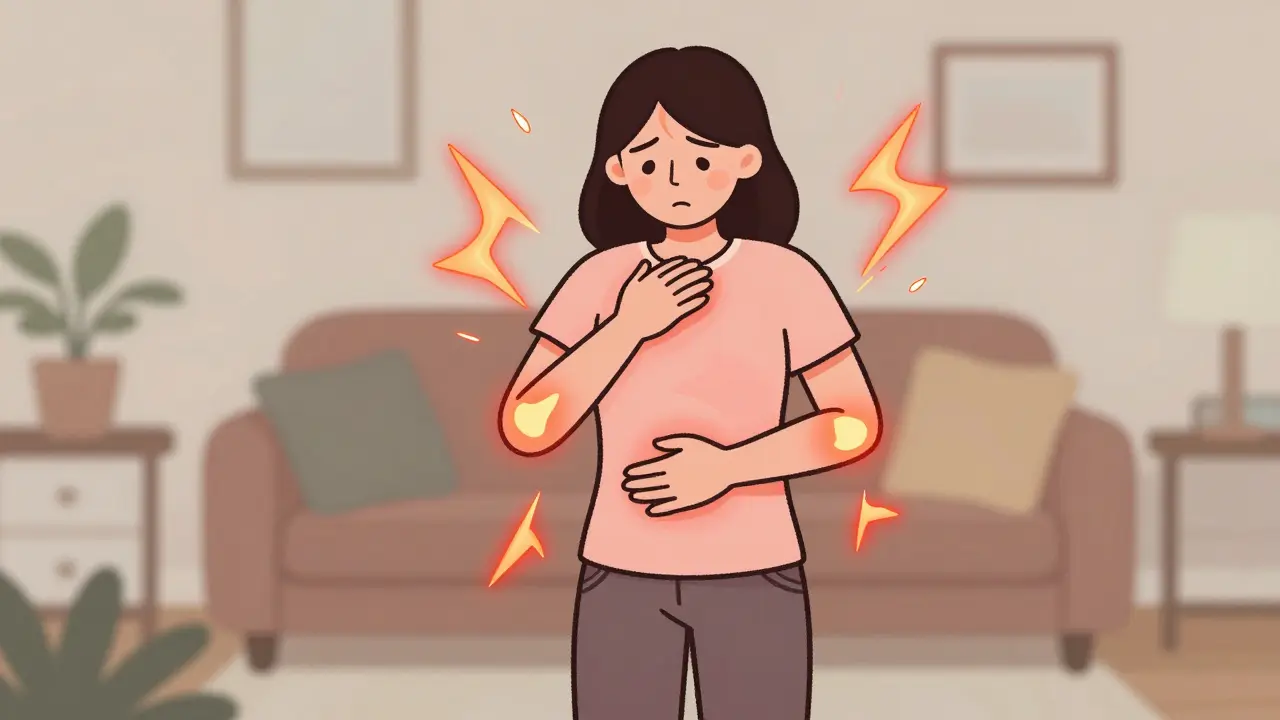
Your tears aren't just water; they're a complex three-layer cocktail designed to keep the eye lubricated and protected. First, there's a thin lipid layer (the oil) that prevents evaporation. Beneath that is the aqueous layer (the water) for moisture, and finally, the mucin layer that helps the tear stick to the eye. When this balance breaks, you hit a "vicious cycle." As the tear film becomes unstable, the salt concentration in your tears rises-a state called hyperosmolarity. This irritation triggers inflammation, which further damages the ocular surface, making the dryness even worse. Interestingly, some people with this condition actually experience *more* tearing. Why? Because the eye senses it's too dry and sends a panic signal to the brain to flood the surface with "reflex tears." These are mostly water and lack the oil needed to stay on the eye, so they just roll down your cheeks without fixing the problem.Aqueous Deficiency vs. Evaporative Dry Eye
Not all dry eye is created equal. If you're treating the wrong type, you're just wasting money on drops that won't work. Aqueous Tear-Deficient Dry Eye (ADDE) happens when your lacrimal glands simply aren't producing enough water. This is common in people with Sjogren's syndrome, an autoimmune disorder that attacks moisture-producing glands, or in those using antihistamines, which can dry out the eyes in nearly 24% of users. In these cases, the "water tank" is empty. On the flip side, Evaporative Dry Eye (EDE) is the most common form, accounting for up to 90% of cases. This usually stems from Meibomian Gland Dysfunction (MGD). Your eyelids have tiny glands that secrete oil; when these get blocked, your tears evaporate almost instantly. If you spend 7 or 8 hours a day on a laptop, you're likely blinking less, which accelerates this evaporation and leaves your eyes feeling gritty.
Navigating the World of Artificial Tears
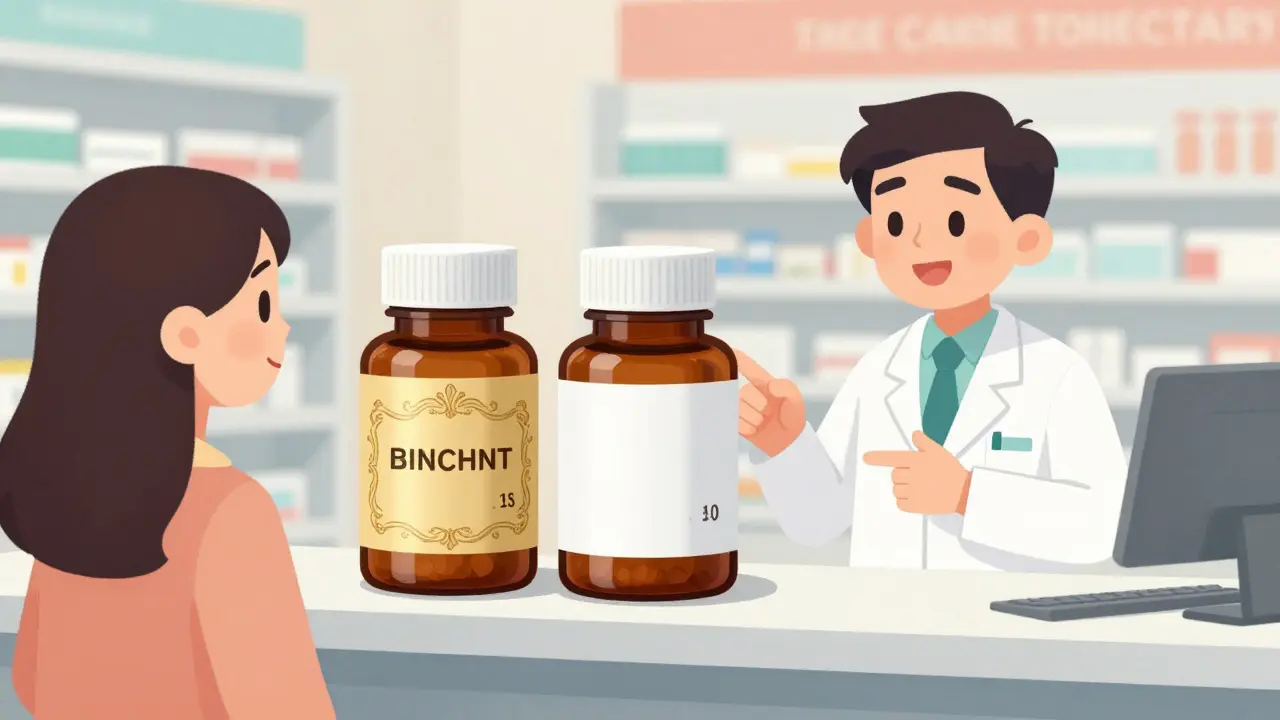
When you walk into a pharmacy, the wall of eye drops can be overwhelming. Artificial Tears are designed to mimic natural tears, but they vary wildly in how they work. Most drops contain electrolytes like sodium and potassium to match the eye's chemistry. Then there are viscosity agents-think of these as the "thickeners." Ingredients like Hyaluronic Acid or carboxymethylcellulose help the drop stay on your eye longer. For example, a 0.15% sodium hyaluronate formulation can provide relief for over four hours, whereas basic saline might only last a couple. One huge decision you'll face is whether to go with preservatives. Preservatives like benzalkonium chloride (BAK) keep the bottle sterile, but if you're applying drops more than four times a day, BAK can actually damage the surface of your eye. If you're a chronic user, preservative-free single-dose vials are the gold standard. They're more expensive, but they eliminate the risk of chemical irritation.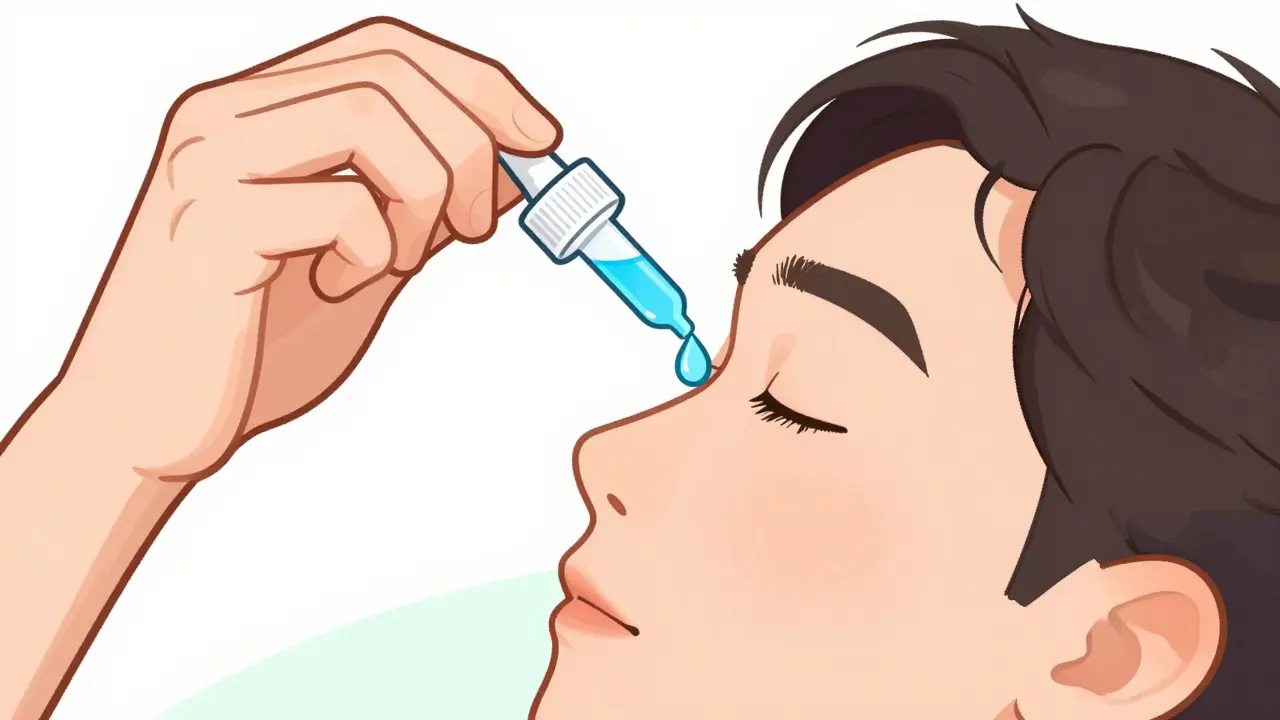
How to Use Eye Drops the Right Way
It sounds simple, but most people do it wrong. If you're just splashing drops into your eye, you're losing a lot of the medicine and potentially irritating your cornea. First, tilt your head back at about a 45-degree angle. Gently pull your lower eyelid down to create a small pocket. Apply one single drop-no more-about 1cm away from the eye surface. Avoid touching the dropper tip to your eye or lashes to prevent contamination. If you're using multiple types of drops (like a medicated drop and a lubricant), wait at least five minutes between them. Otherwise, the second drop just washes the first one away. Pro tip: try keeping your drops in the refrigerator. The cool temperature can reduce inflammation and slightly increase the viscosity, helping the moisture stick to your eye longer.When Artificial Tears Aren't Enough
For some, drops are a lifesaver. For others, they're like putting a Band-Aid on a broken leg. If you're using drops five or six times a day and still feel like you have sandpaper in your eyes, you might have moderate to severe DES. In these cases, the problem isn't just a lack of water-it's chronic inflammation. Doctors might prescribe medications like Cyclosporine or lifitegrast, which work to reduce the inflammation of the glands so your eyes can start producing their own quality tears again. Some patients also benefit from punctal plugs-tiny devices inserted into the tear ducts to stop tears from draining away too quickly. If you notice your vision fluctuating or see a cloudy appearance on your cornea, stop guessing and see an optometrist. Professional tests like the Schirmer test (measuring tear volume) or osmolarity tests can pinpoint exactly why your eyes are dry so you don't waste months on the wrong treatment.Can artificial tears damage my eyes over time?
The drops themselves aren't the problem, but the preservatives in multi-dose bottles can be. Benzalkonium chloride (BAK) can cause epithelial damage if used excessively (usually more than 4-6 times daily). If you need frequent application, always switch to preservative-free versions to avoid toxicity.
Why do my eyes water more when they are dry?
This is called reflex tearing. When the eye is irritated due to a lack of stable lubrication, the nervous system triggers a flood of tears. However, these reflex tears are mostly water and lack the necessary oils to stay on the eye, so they run down your face while the surface of the eye remains dry.
Are there specific drops for contact lens wearers?
Yes. Some artificial tears contain ingredients that can cloud or adhere to contact lenses. Look for drops specifically labeled "for contacts" or use preservative-free formulations, which are generally safer and won't leave a gritty residue on your lenses.
How long does it take for dry eye treatments to work?
Artificial tears provide immediate, temporary relief. However, prescription anti-inflammatory treatments like Cyclosporine can take several weeks or even months of consistent use before you notice a significant increase in natural tear production.
Can screen time really cause dry eye?
Absolutely. When we stare at screens, our blink rate drops significantly-sometimes by more than 50%. This means the tear film isn't replenished as often, leading to faster evaporation and an increased risk of Evaporative Dry Eye.