
It’s easy to think that because herbal teas are natural, they’re harmless. You brew a cup of chamomile to unwind, sip hibiscus for a tart boost, or drink green tea for its antioxidants. But if you’re taking prescription medications, what’s in your mug could be doing more than soothing you-it could be changing how your drugs work, sometimes in dangerous ways.
Why Herbal Teas Aren’t Just ‘Safe Plants’
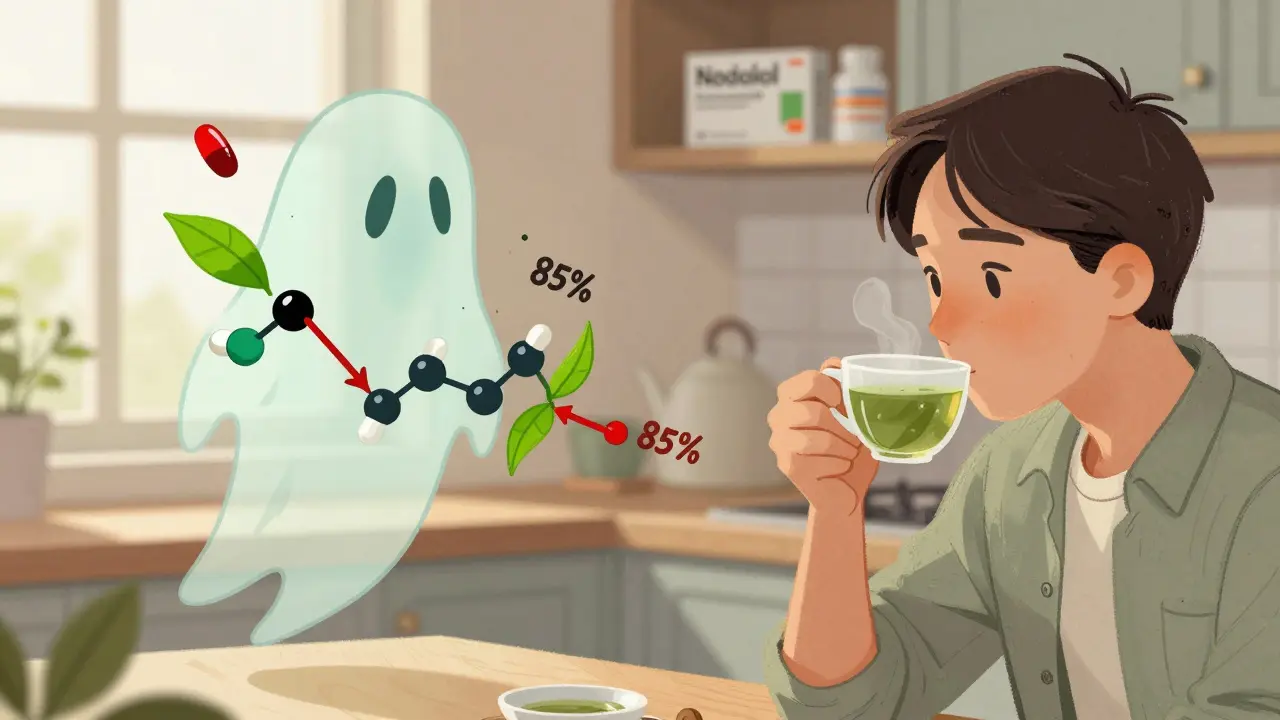
Herbal teas aren’t like coffee or black tea. They come from roots, flowers, leaves, and seeds of plants that aren’t Camellia sinensis. And while they’ve been used for centuries in traditional medicine, they’re not regulated like drugs. The FDA treats them as food, which means they don’t need safety testing before hitting store shelves. That’s a problem when you’re mixing them with medications that have very narrow safety margins-like warfarin, digoxin, or cyclosporine.Even a single cup of strong green tea can interfere with how your body absorbs or breaks down drugs. For example, a 2023 study found that drinking three cups of strong green tea daily cut the blood levels of the beta-blocker nadolol by 85%. That’s not a small drop-it’s enough to make the drug useless. If you’re on it for heart rhythm or high blood pressure, your condition could worsen without warning.
Green Tea: The Silent Drug Thief
Green tea is one of the most common herbal teas people drink, often for weight loss or energy. But its active compound, epigallocatechin gallate (EGCG), doesn’t just fight free radicals-it blocks the transporters your body uses to absorb certain medications. This includes statins like atorvastatin, antibiotics like ciprofloxacin, and even some cancer drugs.Research shows EGCG reduces atorvastatin levels by up to 39%. That means your cholesterol might not be under control, even if you’re taking your pill every day. And if you’re on a beta-blocker like nadolol or a drug like imatinib for leukemia, green tea can cut its effectiveness by over 80%. The kicker? This happens with brewed tea, not just supplements. You don’t need to be drinking extracts-just a few strong cups a day can do it.
Chamomile and Birth Control: A Risk No One Talks About
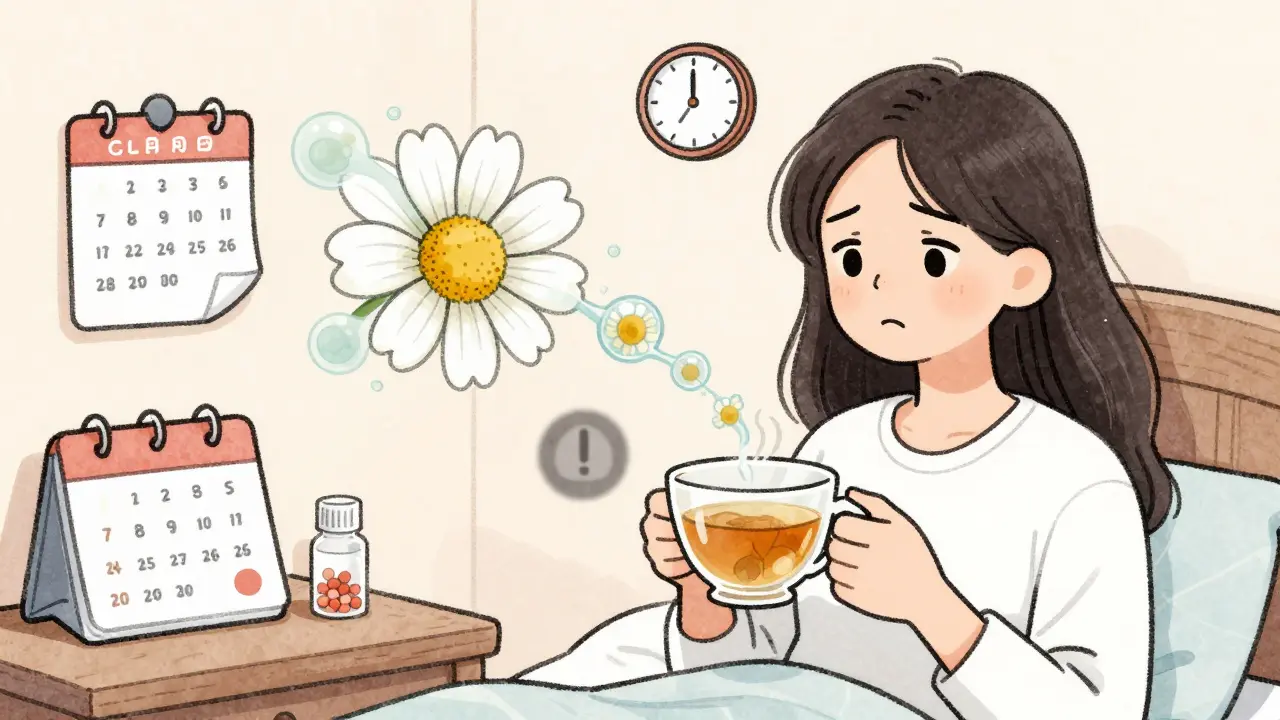
Chamomile tea is popular for sleep and digestion. But if you’re taking oral contraceptives, you might be at risk. Chamomile contains apigenin, which can interfere with the cytochrome P450 enzymes your liver uses to process estrogen. Early studies suggest this could lower the effectiveness of birth control pills, increasing the chance of unintended pregnancy.It’s not confirmed in large human trials yet, but the mechanism is well understood. If you’re relying on the pill and you drink chamomile tea daily, especially strong brews, you’re playing with fire. The same goes for other herbal teas that affect liver enzymes-like St. John’s wort, which is sometimes brewed as a tea. It speeds up the breakdown of dozens of drugs, including antidepressants, birth control, and even HIV meds, leaving you with less drug in your system than you think.
Hibiscus Tea: When Your Blood Pressure Drops Too Far
Hibiscus tea is marketed as a natural way to lower blood pressure. And it works. But if you’re already on lisinopril, enalapril, or another ACE inhibitor, you could be doubling down on the effect. There are documented cases where patients drinking hibiscus tea daily saw their systolic blood pressure drop below 90 mmHg-leading to dizziness, fainting, and even falls.This isn’t theoretical. A 2021 clinical report from the European Medicines Agency flagged hibiscus as a high-risk interaction with antihypertensives. The tea contains natural compounds that act like ACE inhibitors themselves. So when you add it to your prescription, you’re essentially overdosing on the same mechanism. No one warns you about this because it’s a tea, not a pill. But your body doesn’t care how it got the drug-it just responds to the chemistry.
St. John’s Wort: The Hidden Depression Killer
St. John’s wort is a well-known herbal remedy for mild depression. But when brewed as a tea, it’s just as powerful-and just as dangerous. It turns on a liver enzyme called CYP3A4, which breaks down drugs faster than normal. That means your antidepressants, birth control, blood thinners, and even heart medications get cleared from your system too quickly.People often think, “I’m not taking a pill, just a tea.” But the active ingredients are the same. In fact, some herbal tea blends contain concentrated St. John’s wort extract. If you’re on sertraline, fluoxetine, or any SSRI, mixing it with St. John’s wort tea can lead to serotonin syndrome-a life-threatening condition with high fever, confusion, rapid heartbeat, and seizures.
Other High-Risk Teas and Their Partners
- Ginkgo biloba tea: Increases bleeding risk when taken with warfarin, aspirin, or NSAIDs. There are real cases of brain bleeds linked to this combo.
- Garlic tea: Also thins the blood. Avoid if you’re on anticoagulants or about to have surgery.
- Ginseng tea: Can raise or lower blood sugar unpredictably. Dangerous if you’re on insulin or metformin.
- Licorice tea: Lowers potassium levels. Can cause dangerous heart rhythms if you’re on digoxin or diuretics.
- Goldenseal tea: Blocks liver enzymes that process over half of all prescription drugs. Includes antidepressants, painkillers, and cholesterol meds.
Even teas you think are harmless-like ginger or peppermint-can interfere with acid reflux meds, blood thinners, or diabetes drugs. The problem isn’t the tea itself. It’s that most people don’t realize these teas are active ingredients, not flavorings.
Who’s Most at Risk?
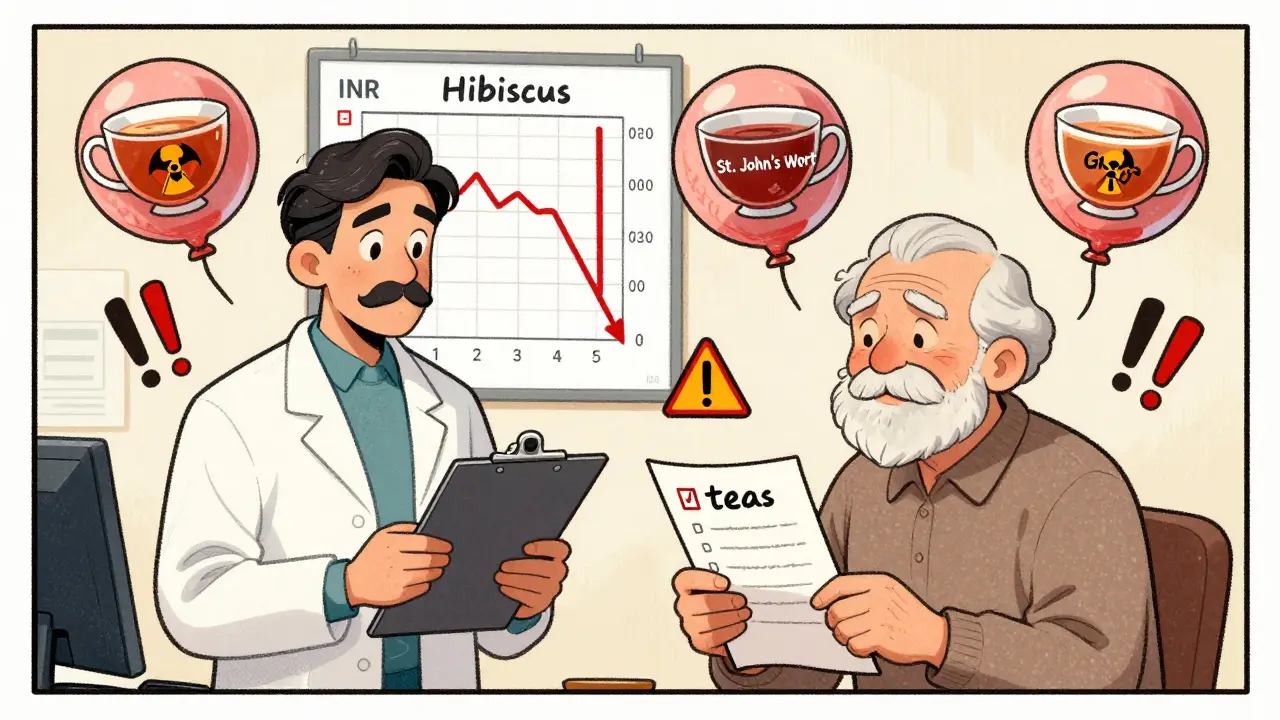
Older adults are the most vulnerable. Nearly 70% of people over 65 take herbal supplements or teas, but only about a quarter tell their doctor. Why? Because they don’t see tea as medicine. They think, “It’s just a cup of tea.”People on multiple medications (polypharmacy) are also at high risk. If you’re taking five or more drugs, the chance of a bad interaction jumps dramatically. And if you’re on drugs with narrow therapeutic windows-warfarin, digoxin, cyclosporine, theophylline, or lithium-you’re in the danger zone. A tiny change in blood levels can mean the difference between healing and hospitalization.
What You Should Do
- Keep a written list: Write down every tea, herb, supplement, and vitamin you take. Include how often and how strong you brew it. Bring this to every doctor’s visit.
- Ask your pharmacist: Pharmacists are trained to spot herb-drug interactions. Don’t assume they know what you’re drinking-tell them.
- Don’t assume “natural” means safe: The FDA says it outright: natural doesn’t mean safe. Some of the most dangerous drugs in history came from plants.
- Stop drinking herbal teas if you’re on warfarin, digoxin, or any heart medication until you’ve talked to your doctor.
- Be specific: Say “I drink two cups of green tea every morning” instead of “I drink tea sometimes.” Vague answers won’t help anyone.
There’s no need to give up herbal teas entirely. But you need to treat them like medicine-not as background noise to your health routine. If you’re on a critical drug, your tea might be working against you. And you won’t know until it’s too late.
When to Get Help Immediately
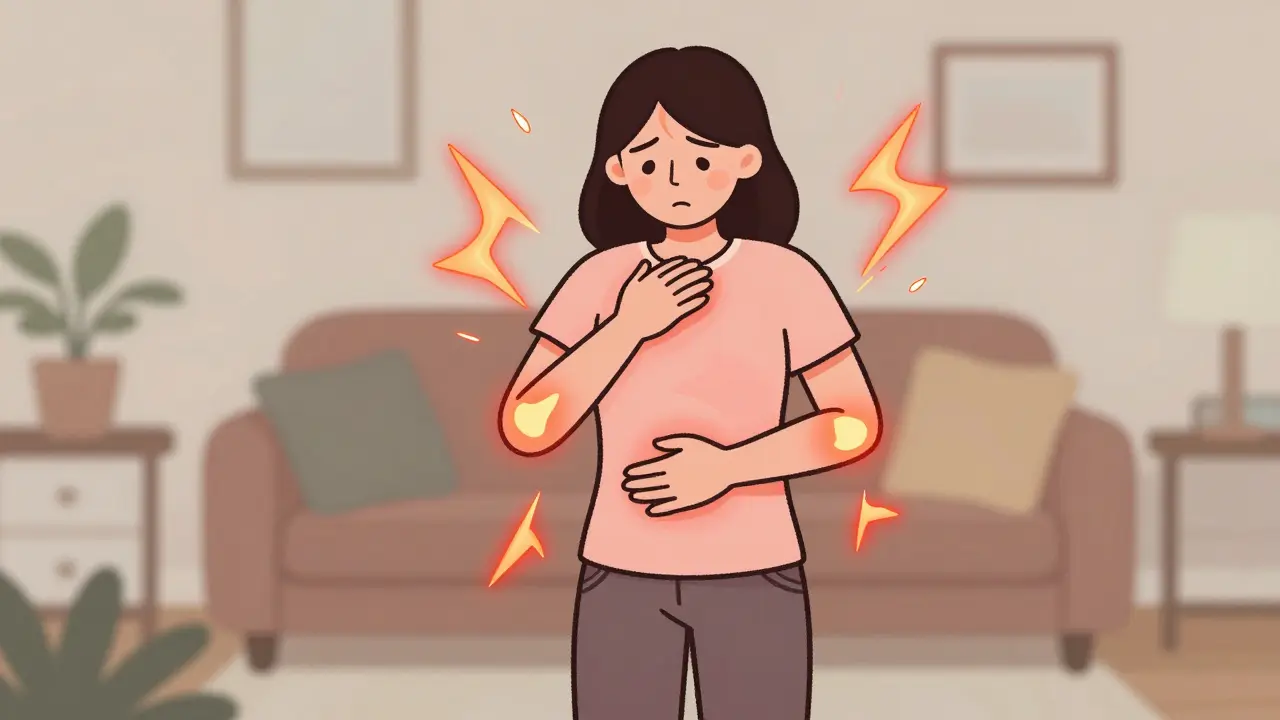
If you’re taking any of these medications and you’ve been drinking herbal teas:- Unexplained bruising or bleeding
- Dizziness, fainting, or rapid heartbeat
- Worsening symptoms (e.g., higher blood pressure, more chest pain)
- Unintended pregnancy while on birth control
Call your doctor or go to urgent care. Don’t wait. These aren’t side effects-they’re signs of dangerous interactions.
Can I drink herbal tea while taking blood thinners like warfarin?
It depends. Teas like ginkgo, garlic, ginger, chamomile, and ginseng can increase bleeding risk when combined with warfarin. Even cranberry tea has been linked to spikes in INR levels in some people. If you’re on warfarin, avoid these teas unless your doctor confirms it’s safe. Regular blood tests are essential, but tea can throw off your results without warning.
Does green tea interfere with cholesterol meds?
Yes. Green tea can reduce the absorption of statins like atorvastatin and simvastatin by up to 39%. This means your cholesterol may not drop as expected, even if you’re taking your pill every day. If you drink green tea regularly and your cholesterol levels aren’t improving, this could be why.
Is chamomile tea safe with birth control pills?
It’s not proven, but there’s strong biological reason to be cautious. Chamomile may interfere with how your body breaks down estrogen, potentially reducing the pill’s effectiveness. If you’re relying on birth control and drink chamomile tea daily, talk to your doctor about switching to a non-hormonal method or avoiding the tea.
Can I drink hibiscus tea if I have high blood pressure?
Only if you’re not taking blood pressure medication. Hibiscus tea acts like an ACE inhibitor, so if you’re already on lisinopril or similar drugs, you risk dropping your blood pressure too low-leading to dizziness, fainting, or falls. If you want to use hibiscus for blood pressure, stop your medication first, under medical supervision.
Why don’t doctors always warn about herbal tea interactions?
Because many doctors aren’t trained in herbal interactions, and patients rarely mention tea use. Studies show only 25% of people who use herbal teas tell their doctor. Also, research on brewed teas is limited compared to supplements. But that doesn’t mean the risk isn’t real. If you’re on critical meds, assume your tea could interfere until proven otherwise.
If you’re taking medications and drinking herbal teas, you’re not alone. But you’re also not safe. The gap between what’s marketed as “natural wellness” and what’s actually happening in your body is wider than you think. Don’t wait for a crisis to find out. Talk to your doctor. Write it down. Ask the pharmacist. Your tea might be helping you-but it might also be hurting you.
Ayodeji Williams
January 8, 2026 AT 00:57Kyle King
January 8, 2026 AT 07:22Kamlesh Chauhan
January 8, 2026 AT 20:02Emma Addison Thomas
January 9, 2026 AT 15:43Mina Murray
January 10, 2026 AT 07:14Rachel Steward
January 11, 2026 AT 15:22Christine Joy Chicano
January 13, 2026 AT 04:19Adam Gainski
January 14, 2026 AT 00:28Anastasia Novak
January 15, 2026 AT 17:22Jonathan Larson
January 17, 2026 AT 02:17Alex Danner
January 18, 2026 AT 10:22