
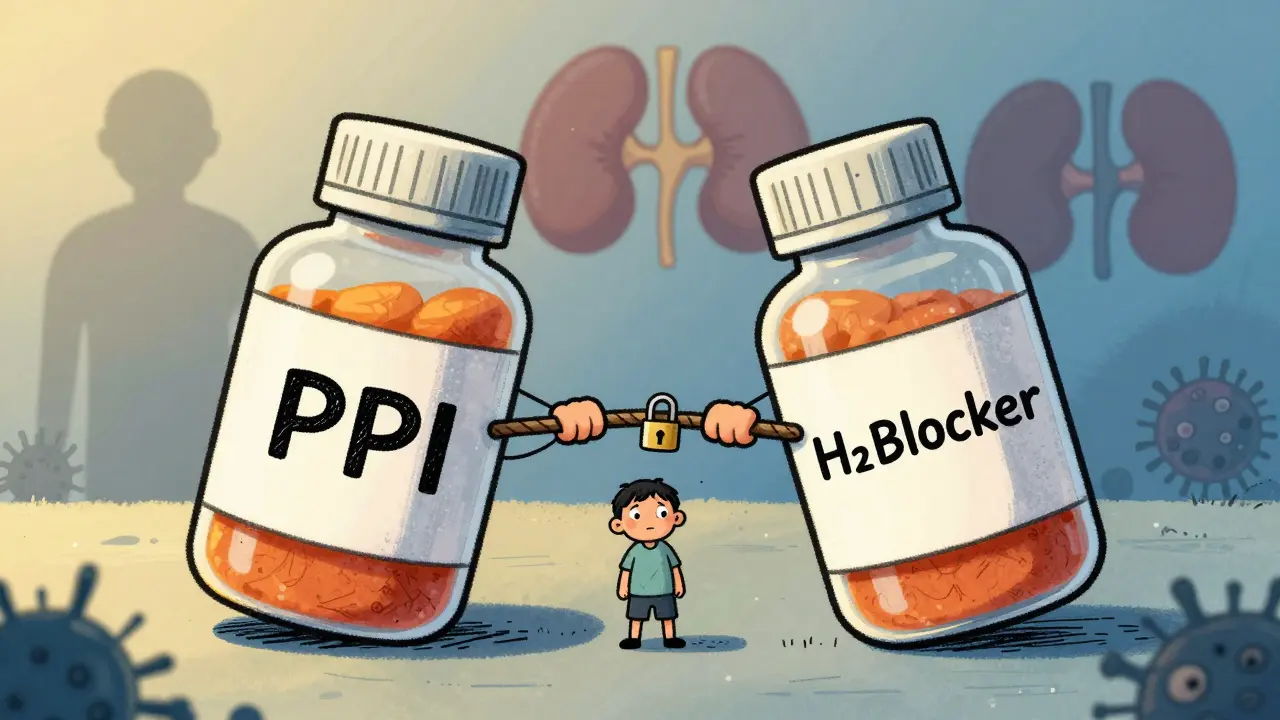
H2 Blocker and PPI Combo Assessment Tool
For most people, taking both an H2 blocker and a PPI is unnecessary. The American College of Gastroenterology states this combination should only be used in rare cases when you have documented nocturnal acid breakthrough—confirmed by 24-hour pH monitoring.
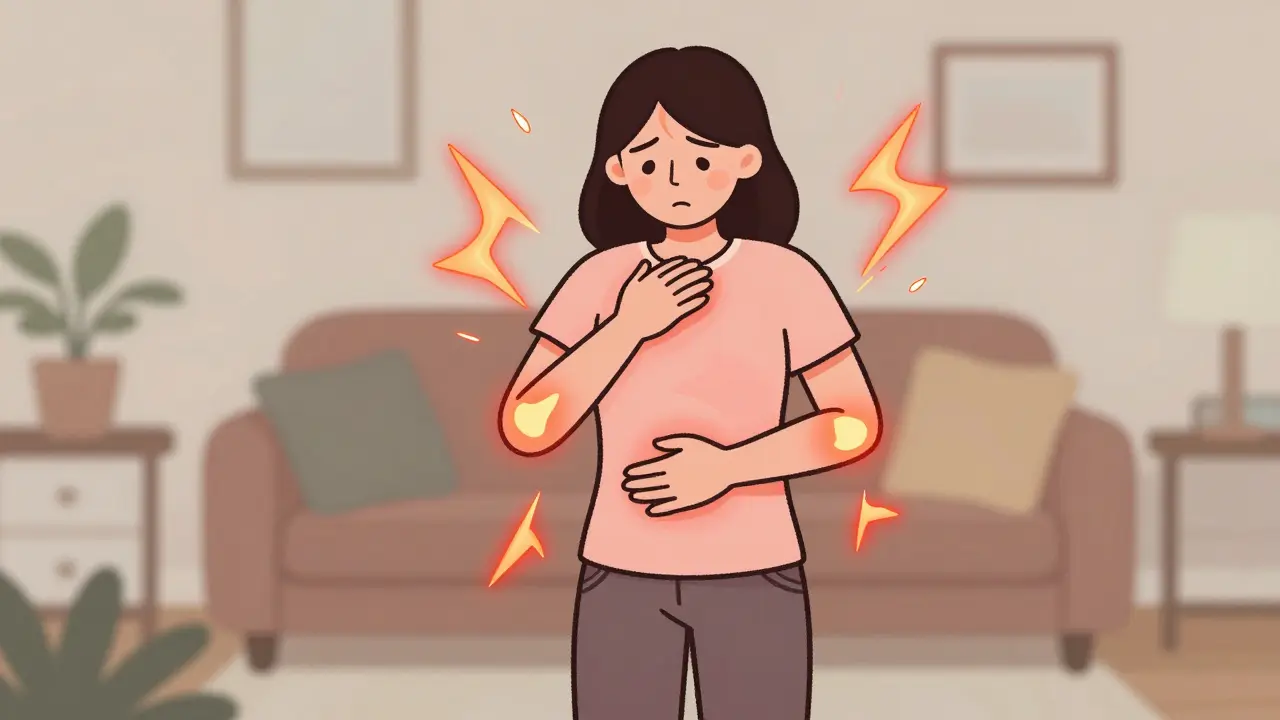
Many people take two acid-reducing medications at the same time without knowing why. It’s common to see prescriptions for both an H2 blocker like famotidine (Pepcid) and a proton pump inhibitor (PPI) like omeprazole (Prilosec). But here’s the truth: for most people, this combination isn’t helping - it’s hurting.
How H2 Blockers and PPIs Work (And Why They Don’t Play Well Together)
H2 blockers and PPIs both reduce stomach acid, but they do it in completely different ways. H2 blockers, like cimetidine and famotidine, work by blocking histamine from telling your stomach cells to make acid. They kick in fast - within an hour - but their effect lasts only 6 to 12 hours. PPIs, on the other hand, shut down the actual acid-producing pumps in your stomach lining. They take 2 to 5 days to reach full power, but once they do, they suppress acid by 90-98% and keep it down for 24 hours.
Here’s the problem: PPIs are so effective that they leave almost no acid production going. And H2 blockers need some acid activity to even work. If the pumps are already turned off by a PPI, there’s little left for the H2 blocker to block. A 2022 study in the Journal of Clinical Gastroenterology found that adding ranitidine to omeprazole only reduced nighttime acid exposure by 5%. That’s not meaningful. It’s like putting a lock on a door that’s already been welded shut.
The Real Risks of Combining Them
The bigger issue isn’t that the combo doesn’t work - it’s that it increases your risk of serious side effects. A 2014 analysis of nearly 80,000 ICU patients showed that PPIs were linked to a 30% higher chance of hospital-acquired pneumonia and a 32% higher risk of Clostridium difficile infection compared to H2 blockers alone. Why? Because stomach acid isn’t just a nuisance - it’s a barrier. It kills harmful bacteria before they enter your gut. When you shut it down too much, your body loses its natural defense.
And it gets worse. A 2021 study tracking over 3,600 people with chronic kidney disease found that those on PPIs had a 28% higher risk of progressing to kidney failure than those on H2 blockers. This isn’t a small risk. It’s a measurable, repeatable pattern seen across multiple large studies.
Even more surprising? PPIs were linked to a 22% higher risk of gastrointestinal bleeding compared to H2 blockers. That contradicts the old assumption that stronger acid suppression means fewer ulcers. In reality, removing acid entirely may damage the stomach’s natural repair mechanisms.
Why Doctors Still Prescribe This Combo
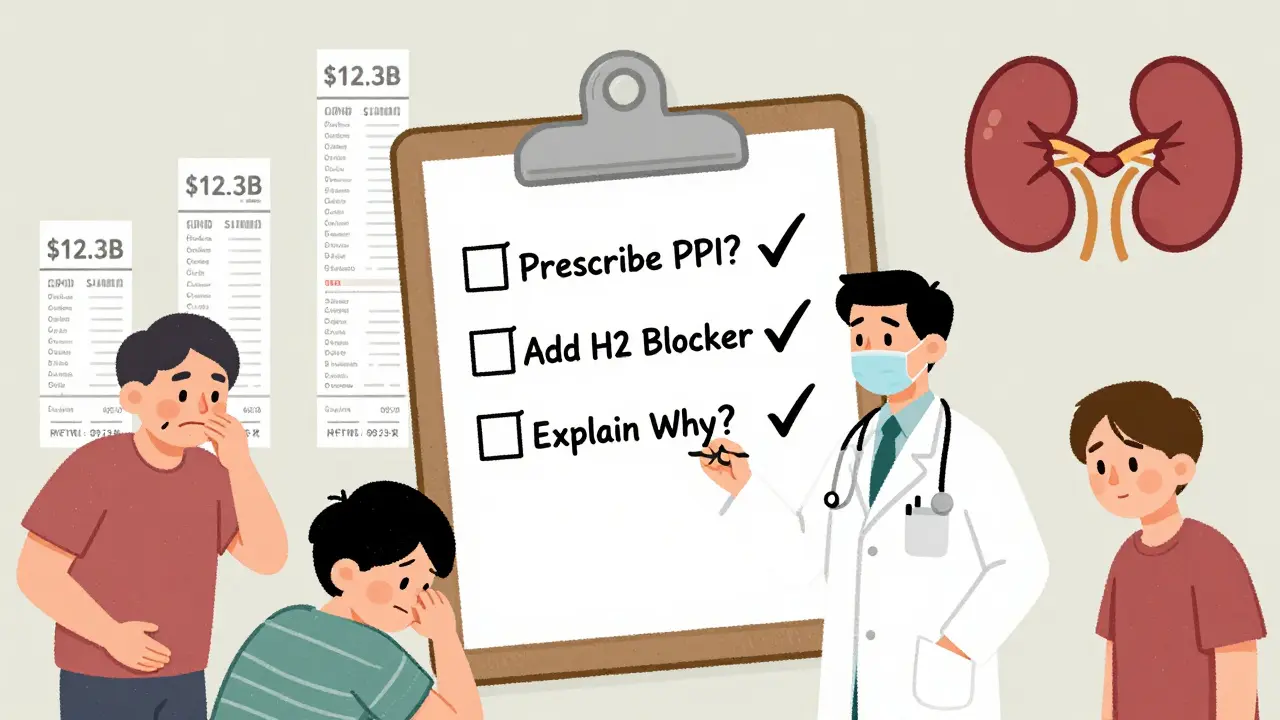
It’s not because the science supports it. It’s because of habit, marketing, and confusion. In 2022, the U.S. spent $12.3 billion on acid-suppressing drugs. PPIs made up 78% of prescriptions. Yet H2 blockers are cheaper, have fewer long-term risks, and work just as well for most cases of heartburn or mild GERD.
Many patients are started on PPIs after a single episode of heartburn, then never taken off. When symptoms persist, doctors often add an H2 blocker - not because it’s proven to help, but because it feels like doing something more. A 2022 survey by the American College of Gastroenterology found that 31% of patients on both medications didn’t know why they were prescribed both. Sixty-four percent couldn’t name a single side effect.
When Is the Combo Actually Needed?
There’s one rare situation where combining them might make sense: documented nocturnal acid breakthrough. This means you’re on a full dose of PPI twice daily, and yet your stomach pH drops below 4 for more than 60 minutes between midnight and 6 a.m. - confirmed by a 24-hour pH monitoring test. In this case, adding an H2 blocker at bedtime might help. But even then, it’s temporary.
The American College of Gastroenterology’s 2022 guidelines say this combo should never be used routinely. If you’re on both, your doctor should set a 4- to 8-week deadline to reassess. If your nighttime symptoms don’t improve, the H2 blocker gets dropped. The Department of Veterans Affairs recommends a "PPI time-out" every 90 days - meaning you stop the drug entirely for a week to see if you still need it.
Drug Interactions You Can’t Ignore
Not all H2 blockers are the same. Cimetidine (Tagamet) is a known inhibitor of liver enzymes that break down other drugs. It can raise levels of blood thinners, antidepressants, and even some PPIs. This can lead to dangerous side effects. Famotidine (Pepcid) and nizatidine don’t do this. So if you’re on other medications, switching from cimetidine to famotidine could be a simple safety fix.
But even famotidine isn’t risk-free. Long-term use of any acid suppressant - whether H2 blocker or PPI - can lead to low magnesium, vitamin B12 deficiency, and reduced calcium absorption. These aren’t immediate. They build up over years. And once they do, they’re hard to reverse.
What Patients Are Saying
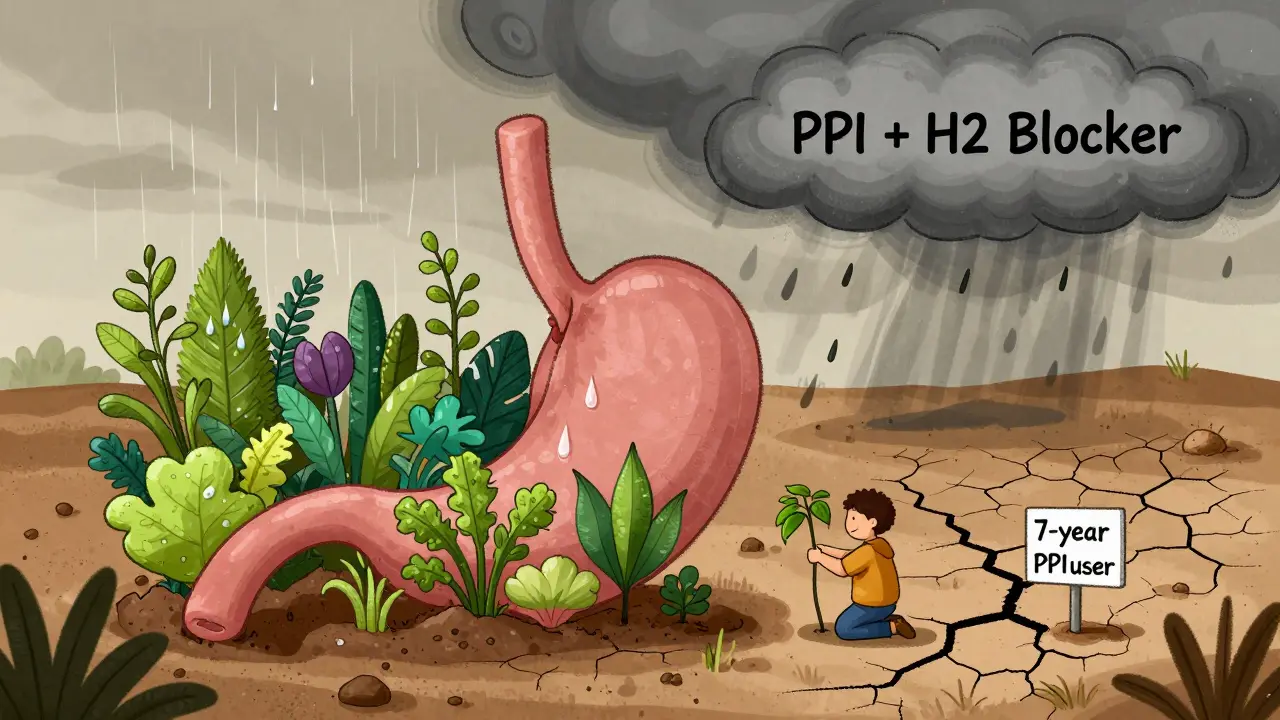
On Drugs.com, 68% of PPI users report side effects: headaches, diarrhea, bloating, and fatigue. On Reddit’s r/GERD community, 42% of users describe "PPI dependence" - they stop the drug and get worse heartburn than before. That’s not a relapse. It’s rebound acid hypersecretion. Your stomach overcompensates for being silenced for too long.
One user wrote: "I was on omeprazole for 7 years. When I tried to quit, I couldn’t eat anything without burning pain. My doctor said it was "just GERD." But I wasn’t GERD - I was withdrawal."
The Bottom Line
If you’re on both an H2 blocker and a PPI, ask yourself: Why? Was it because you had a confirmed case of nighttime acid breakthrough? Or was it because your doctor just added it on?
For 95% of people, PPI monotherapy - at the lowest effective dose - is all you need. If you’re still having symptoms, don’t add another drug. Look at your diet, your weight, your sleep position, your stress levels. Acid reflux isn’t always about acid. Sometimes, it’s about how you live.
And if you’ve been on these meds for more than a year? Talk to your doctor about tapering off. Don’t stop cold turkey. But don’t stay on them just because it’s been years. The longer you take them, the more damage you might be doing without knowing it.
What to Do Next
- If you’re on both an H2 blocker and a PPI, ask your doctor to explain why - and ask for the evidence.
- If you’ve been on a PPI for over a year, request a trial off the drug under supervision.
- Switch from cimetidine to famotidine if you’re on an H2 blocker and taking other medications.
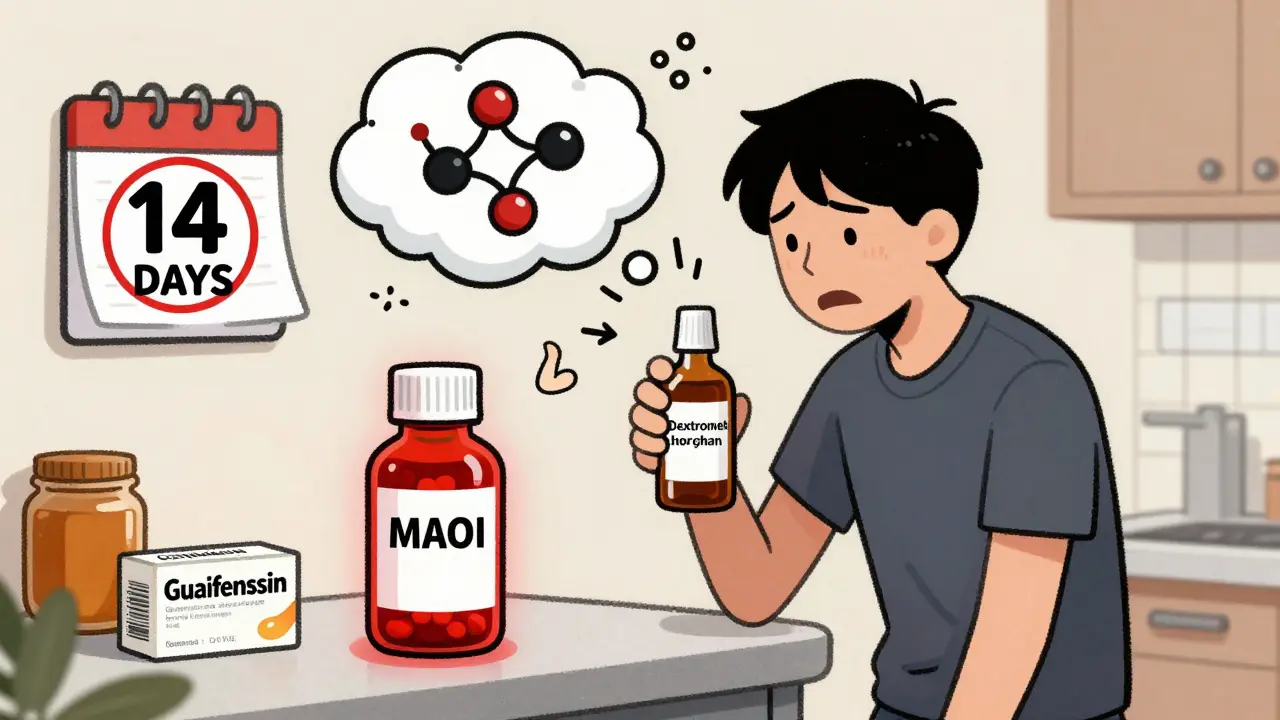
- Don’t use OTC PPIs for more than 14 days in a row without seeing a doctor.
- Keep track of your symptoms: Do you have heartburn only after meals? Or all day, even when fasting?
The goal isn’t to eliminate acid. It’s to restore balance. Your stomach doesn’t need to be silent. It just needs to work right.
Can I take an H2 blocker and a PPI together safely?
Only in very specific cases - like documented nocturnal acid breakthrough confirmed by pH monitoring. For most people, it’s unnecessary and increases risks like pneumonia, kidney damage, and nutrient deficiencies. The American College of Gastroenterology advises against routine use.
Which is safer: H2 blockers or PPIs?
For long-term use, H2 blockers like famotidine generally have a better safety profile. Studies show lower risks of kidney damage, pneumonia, and Clostridium difficile infection compared to PPIs. PPIs carry known risks of bone fractures, low magnesium, and rebound acid reflux after stopping.
Why do doctors keep prescribing both if the combo doesn’t work?
It’s often due to habit, patient pressure, or lack of awareness. Many doctors were trained to "turn up the dose" when symptoms persist, rather than reassess the diagnosis. Marketing from pharmaceutical companies has also reinforced the idea that stronger suppression is always better - even when evidence says otherwise.
Can I switch from a PPI to an H2 blocker?
Yes - and many people benefit from it. H2 blockers are effective for mild to moderate GERD and have fewer long-term side effects. But don’t switch abruptly. Work with your doctor to taper the PPI slowly to avoid rebound acid. Start the H2 blocker at bedtime, and monitor symptoms over 2-4 weeks.
What are the signs I’m taking too much acid medication?
Frequent diarrhea, muscle cramps, fatigue, tingling in hands or feet, or worsening heartburn after stopping the drug could signal overuse. Low magnesium, B12 deficiency, or osteoporosis diagnosed after long-term use are also red flags. If you’ve been on these meds for over a year, it’s time for a review.


Raphael Schwartz
March 23, 2026 AT 00:47Stop overmedicating.
winnipeg whitegloves
March 24, 2026 AT 13:33Switched from omeprazole to famotidine at bedtime last year. My bloating vanished. My sleep improved. And I didn’t need a PhD to figure it out. Sometimes the simplest fix is the one you’ve been ignoring.
Rachele Tycksen
March 25, 2026 AT 17:27Grace Kusta Nasralla
March 26, 2026 AT 20:35Acid isn’t the enemy. Disconnection is.
We’ve been taught to fear discomfort, so we pharmacologically erase it. But what if the discomfort was the signal? The whisper before the scream?
Maybe we don’t need more drugs. Maybe we need more stillness.
Aaron Sims
March 28, 2026 AT 17:31OMG. Shocking.
Wait-didn’t they also hide that sugar causes diabetes? And that vaccines cause autism? And that the moon landing was faked?
Of course they did.
They’re all connected.
They’re watching us. Through our stomachs.
Next thing you know, they’ll say water is dangerous if you drink it without a prescription.
Stephen Alabi
March 29, 2026 AT 15:15The pharmacodynamic antagonism between these agents is well-documented, and the cumulative risk profile-including but not limited to hypomagnesemia, renal impairment, and C. difficile colonization-demands immediate deprescribing protocols.
Furthermore, the absence of evidence for additive benefit in the absence of nocturnal acid breakthrough, as per ACG 2022 guidelines, renders this practice not merely suboptimal-but ethically questionable.
Kevin Siewe
March 30, 2026 AT 07:38But here’s the gentle truth: your body isn’t broken. It’s just been overworked.
Try this: talk to your doctor about a 2-week PPI pause. Keep a journal. Note what you eat, when you sleep, how you feel.
You might be surprised what you learn.
You don’t have to fight your stomach. You just have to listen.
Chris Farley
March 31, 2026 AT 05:53Let me guess-next you’ll say fluoride in water is a mind-control tactic and that kale is a cult.
They want you to think you’re ‘smart’ for questioning this, but really? You’re just being manipulated into another conspiracy.
PPIs save lives. People with ulcers don’t just ‘get better’ by eating less pizza.
Wake up.
Darlene Gomez
March 31, 2026 AT 08:02It’s not magic. It’s biology.
We’ve been taught to treat symptoms like enemies. But sometimes, they’re just messengers.
If you’re on both meds, ask yourself: Am I treating my body… or just silencing it?
You deserve to feel better without depending on chemicals you don’t fully understand.