
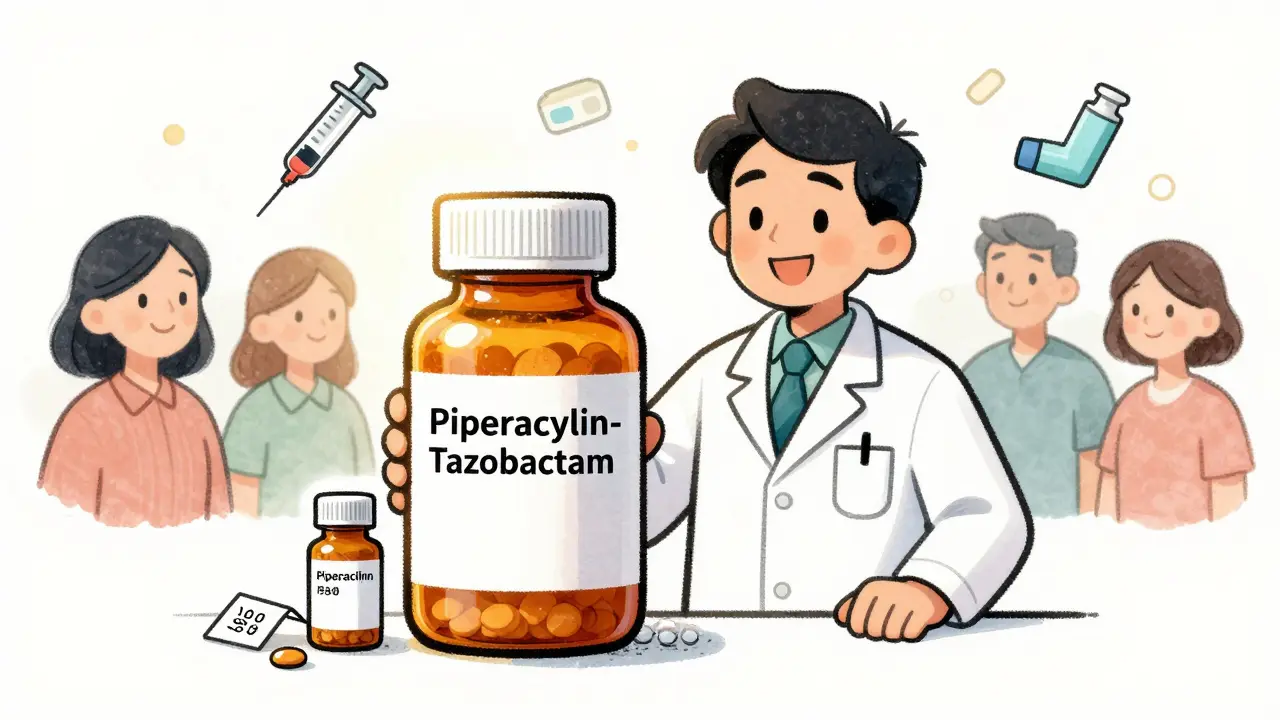
When you’re prescribed an antibiotic, you might not think about whether it’s a single drug or a mix of two or more. But antibiotic combination products are more common than you realize. These aren’t just random blends-they’re carefully designed to fight tough infections that single drugs can’t handle alone. Think of piperacillin and tazobactam, used for severe hospital infections, or amoxicillin-clavulanate for stubborn sinus or ear infections. The key question today isn’t whether these combinations work-it’s whether you can get them cheaply. And the answer? Generic availability is growing, but it’s not simple.
What Exactly Are Antibiotic Combination Products?
An antibiotic combination product isn’t just two pills in one bottle. It’s a single medical product that blends two or more active ingredients-usually two antibiotics, or an antibiotic with another compound that boosts its effect. For example, tazobactam doesn’t kill bacteria on its own. But when paired with piperacillin, it blocks the enzymes bacteria use to destroy the antibiotic. That’s why the combo works when piperacillin alone fails.
The FDA calls these combination products because they can also include devices. A prefilled syringe with ampicillin-sulbactam? That’s a drug-device combo. An inhaler delivering tobramycin for cystic fibrosis patients? Also a combination product. The device isn’t just packaging-it’s part of how the drug works. And when generics enter the market, they have to match not just the drug, but the delivery system too.
How Do Generic Versions Get Approved?
Branded antibiotics like Zosyn (piperacillin-tazobactam) or Augmentin (amoxicillin-clavulanate) hold patents for years. Once those expire, manufacturers can apply to make generics. But here’s where it gets messy. For a regular pill, a generic company just proves their version has the same active ingredient, dose, and absorption rate. Simple.
For combination products, especially drug-device types, it’s not that easy. The FDA requires proof that the generic matches the original in every way: how the drug is released, how the device delivers it, even how the label looks. That’s because a faulty injector pen or a mislabeled vial could lead to dangerous dosing errors.
The approval path? Mostly the Abbreviated New Drug Application, or ANDA. But for drug-device combos, the FDA demands extra data: safety comparisons, risk assessments, even user interface studies. If the generic uses a different syringe design, the company must prove it won’t cause more needle sticks or accidental overdoses. That’s expensive. That’s why only a handful of generic antibiotic combinations made it to market before 2020.
When Did Generics First Break Through?
The big turning point came on October 26, 2010. That’s when Hospira launched the first generic version of piperacillin-tazobactam for injection in the U.S. It wasn’t just a win for cost-it was proof that complex combination products could be replicated safely. Before that, hospitals paid over $100 per dose for the brand. After the generic hit, prices dropped by more than 70% overnight.
That success opened the door. Since then, generics have appeared for other combos like ampicillin-sulbactam, ceftazidime-avibactam, and meropenem-vaborbactam. Each one followed the same path: patent expiry, rigorous testing, FDA review, and market entry. But not all combos are equal. Some are easier to copy than others. Simple oral combos like amoxicillin-clavulanate? Generic versions are everywhere. Complex IV infusions with specialized delivery systems? Still rare.
Do Generics Actually Save Money?
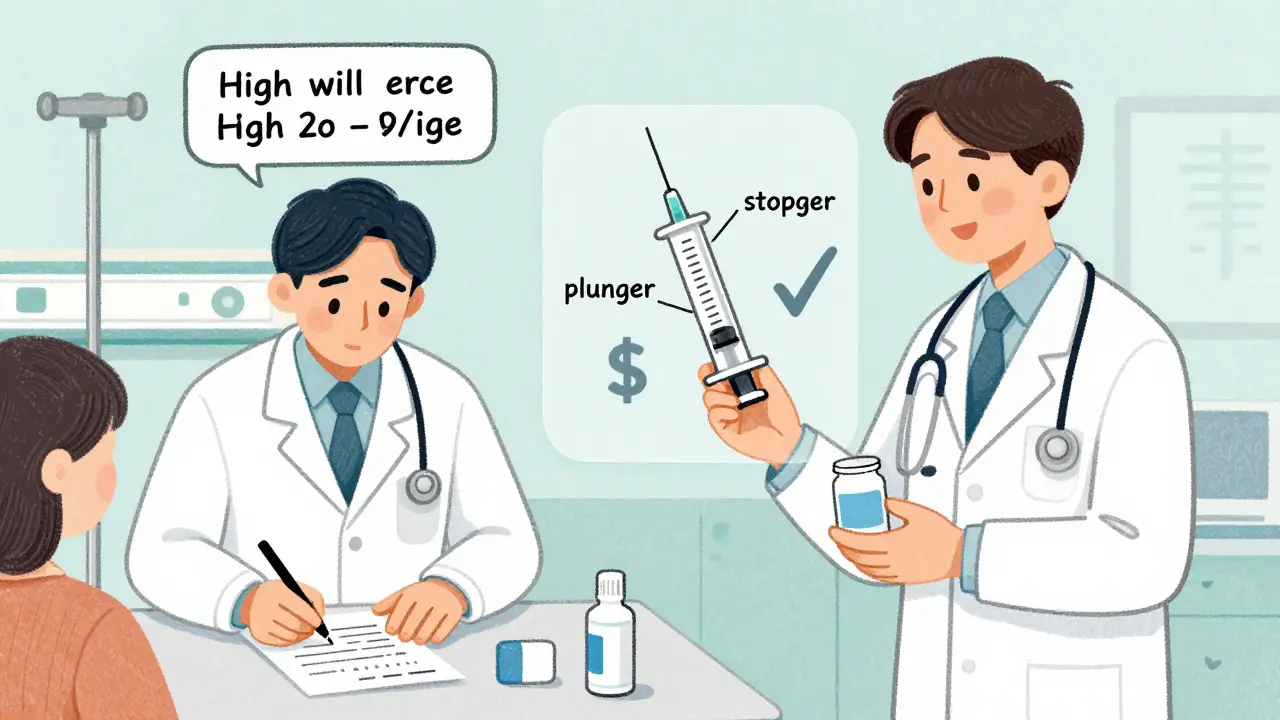
Yes. And not just a little. Between 2010 and 2020, generic drugs saved the U.S. healthcare system an estimated $2.2 trillion. Antibiotic combos contributed significantly. A 2021 study in Nature Communications tracked 13 antibiotics after generics entered the market. Five saw prescription rates jump by 5% to over 400%-mostly because doctors could prescribe them without worrying about patient cost.
Take aztreonam. After its generic arrived, prescriptions climbed sharply. Why? Because it was being used more often for cystic fibrosis patients, and the cheaper version made long-term treatment possible. Patients who couldn’t afford the brand started getting treatment. Hospitals stopped rationing doses. Insurance companies paid less. Everyone won-except the brand-name makers.
But not every combo saw a surge. Cefdinir prescriptions actually dropped after generics hit. Why? Because doctors switched to newer, broader-spectrum antibiotics. It’s not just about price-it’s about clinical trends, guidelines, and even marketing by newer drugs.
Why Aren’t More Generic Antibiotic Combos Available?
Here’s the real problem: the rules were written for pills, not for complex combos. State laws in the U.S. allow pharmacists to swap generic drugs for brand names-but only if they’re considered “interchangeable.” For a simple tablet, that’s straightforward. For a prefilled pen with a built-in safety shield? Not so much.
Many states don’t have clear rules for substituting drug-device combos. So even if a generic version exists, a pharmacist might not be allowed to swap it in. That means patients still get the expensive brand, even if the cheaper version is sitting on the shelf.
Manufacturers also face huge hurdles. To get approval, they must prove every part of their product works exactly like the original. That means testing every component: the vial, the stopper, the needle, the labeling, the packaging. One small change in the syringe’s plunger could affect how much drug is delivered. And proving that doesn’t require a new clinical trial-but it does require hundreds of thousands of dollars in testing.
That’s why only about 15% of antibiotic combination products have generic versions today. The rest? Still under patent, or too complicated to copy legally.
What’s Changing Now?
The FDA’s Office of Combination Products (OCP) has been working hard to fix this. In September 2024, they held a major conference called REdI to lay out new best practices for developers. They’re pushing for clearer guidance, faster reviews, and more predictable pathways. One big change? They’re now accepting more data from existing studies instead of requiring brand-new trials.
They’re also encouraging manufacturers to use a six-phase development model specifically designed for drug-device combos. It’s not magic-but it’s helping. More companies are now willing to invest in generic combos because they know what’s expected.
Legal experts are pushing too. They’re calling for federal action to update state substitution laws so they cover all types of combination products-not just pills. Without that, the cost savings won’t reach the people who need them most.
What Does This Mean for You?
If you’re on a long-term antibiotic combo, ask your doctor or pharmacist: Is there a generic? Even if your prescription hasn’t changed, the answer might be yes now. You could be saving hundreds-or even thousands-of dollars a year.
And if you’re a caregiver for someone with cystic fibrosis, a chronic lung infection, or a post-surgery infection, generic combos mean better access. No more choosing between treatment and rent. No more skipping doses because the co-pay is too high.
It’s not perfect. Not every combo has a generic. Not every pharmacy can substitute them. But the trend is clear: more options, lower prices, and better access are coming. The system is slow-but it’s moving.
What’s Next?
Over the next five years, we’ll see more antibiotic combinations go generic. New drugs are being developed to fight superbugs-like carbapenem-resistant bacteria-and many of them will be combos. That means the pressure to make generics will grow. The FDA is already preparing. Hospitals are pushing for it. Patients are demanding it.
The real win won’t be just cheaper drugs. It’ll be better outcomes. Fewer hospital stays. Fewer infections spreading because people couldn’t afford treatment. That’s what generic availability is really about.
Are generic antibiotic combination products as effective as brand-name ones?
Yes. The FDA requires generic versions to prove they are therapeutically equivalent to the brand-name product. That means they deliver the same amount of active ingredients at the same rate, produce the same clinical effect, and have the same safety profile. For drug-device combos, they must also match the delivery system’s performance. No clinical trials are needed if the generic meets all these standards.
Why aren’t all antibiotic combinations available as generics?
Some combos are too complex to copy easily-especially those involving specialized devices like inhalers, infusion pumps, or prefilled syringes. The regulatory process is expensive and time-consuming. Companies won’t invest unless they’re sure they can recover costs. Patents also still protect newer combos. Only after patent expiry can generics be developed, and even then, not all manufacturers choose to pursue them.
Can my pharmacist substitute a generic antibiotic combo for the brand name?
It depends on your state’s laws and the type of product. For oral antibiotics like amoxicillin-clavulanate, substitution is usually allowed. But for drug-device combos-like an injection pen or inhaler-many states don’t have clear rules. Some pharmacists may refuse to substitute unless the product is officially labeled as “interchangeable” by the FDA. Always ask your pharmacist or doctor if substitution is safe and legal in your case.
How much money can I save with a generic antibiotic combo?
Savings vary, but they’re often dramatic. For IV antibiotics like piperacillin-tazobactam, prices dropped over 70% after generic entry. Oral combos like amoxicillin-clavulanate can cost 80-90% less as generics. For patients on long-term therapy, that could mean hundreds or even thousands of dollars saved per year. Insurance co-pays often drop significantly too.
Are there risks in switching from a brand-name to a generic antibiotic combo?
No, if the generic is FDA-approved. The agency requires proof of therapeutic equivalence, meaning the drug works the same way in your body. For device-based combos, they must also match in safety and performance. There have been no documented cases of reduced effectiveness or increased side effects from approved generics. Always report any unusual reactions to your provider, but switching to a generic is generally safe and encouraged when available.
Generic antibiotic combination products aren’t just cheaper-they’re changing how we treat serious infections. They’re making life-saving treatments accessible to people who couldn’t afford them before. The road hasn’t been easy, but the progress is real. And for patients, that’s what matters most.
Caitlin Foster
December 27, 2025 AT 14:59Babe Addict
December 27, 2025 AT 15:03Janice Holmes
December 29, 2025 AT 06:14Raushan Richardson
December 29, 2025 AT 14:29Robyn Hays
December 30, 2025 AT 17:39Liz Tanner
December 31, 2025 AT 14:03Alex Lopez
December 31, 2025 AT 16:39Elizabeth Ganak
January 2, 2026 AT 12:10Nicola George
January 2, 2026 AT 17:19John Barron
January 3, 2026 AT 14:02Anna Weitz
January 4, 2026 AT 06:34