
Quality of Life and Medications: How Drugs Shape Daily Living
When we talk about quality of life, the overall well-being and daily functioning of a person, shaped by physical health, mental state, and personal freedom. Also known as health-related quality of life, it’s not just about living longer—it’s about living better, without constant pain, fatigue, or fear. Too many people think a medication is working if it lowers a number on a lab report. But if it leaves you too tired to play with your kids, makes you dizzy walking to the bathroom, or steals your appetite so you’re eating once a day, then it’s not helping your life—it’s stealing it.
Patient autonomy, the right to choose treatments based on personal values, not just clinical guidelines is often ignored in medicine. You shouldn’t have to pick between a drug that controls your blood pressure and one that lets you sleep through the night. Chronic disease management, the long-term handling of conditions like asthma, osteoporosis, or COPD isn’t about perfect numbers—it’s about balance. Take bisphosphonates for your bones: they reduce fractures, but a tiny risk of jaw damage means some people choose to live with a little more fragility instead of risking surgery. Or consider benzodiazepines: they calm anxiety fast, but can trap you in dependence. For many, the real question isn’t ‘Does it work?’ but ‘Can I live with the cost?’
Drug side effects, unintended physical or mental changes caused by medication aren’t just listed in tiny print—they’re daily realities. Pomegranate juice doesn’t wreck your blood thinner like grapefruit does. Fluocinolone might stop your athlete’s foot from itching, but it won’t kill the fungus—and could make it worse. Estrogen from birth control can throw your warfarin levels into chaos. These aren’t rare edge cases. They’re common trade-offs people make every day, quietly, without being asked.
What you’ll find below isn’t a list of drug facts. It’s a collection of real stories behind the pills—how generics save money without sacrificing safety, how spacers help kids breathe easier at school, how secure messaging lets you ask your pharmacist a question without waiting on hold. These posts show how medication isn’t just chemistry—it’s about sleep, movement, independence, dignity. They show what happens when patients take back control, when supply chains fail, when a single drug changes a cancer diagnosis from death sentence to manageable condition. This is what quality of life really looks like: not in brochures, but in the quiet moments between doses, in the choice to walk instead of sit, in the courage to say, ‘This isn’t working for me.’
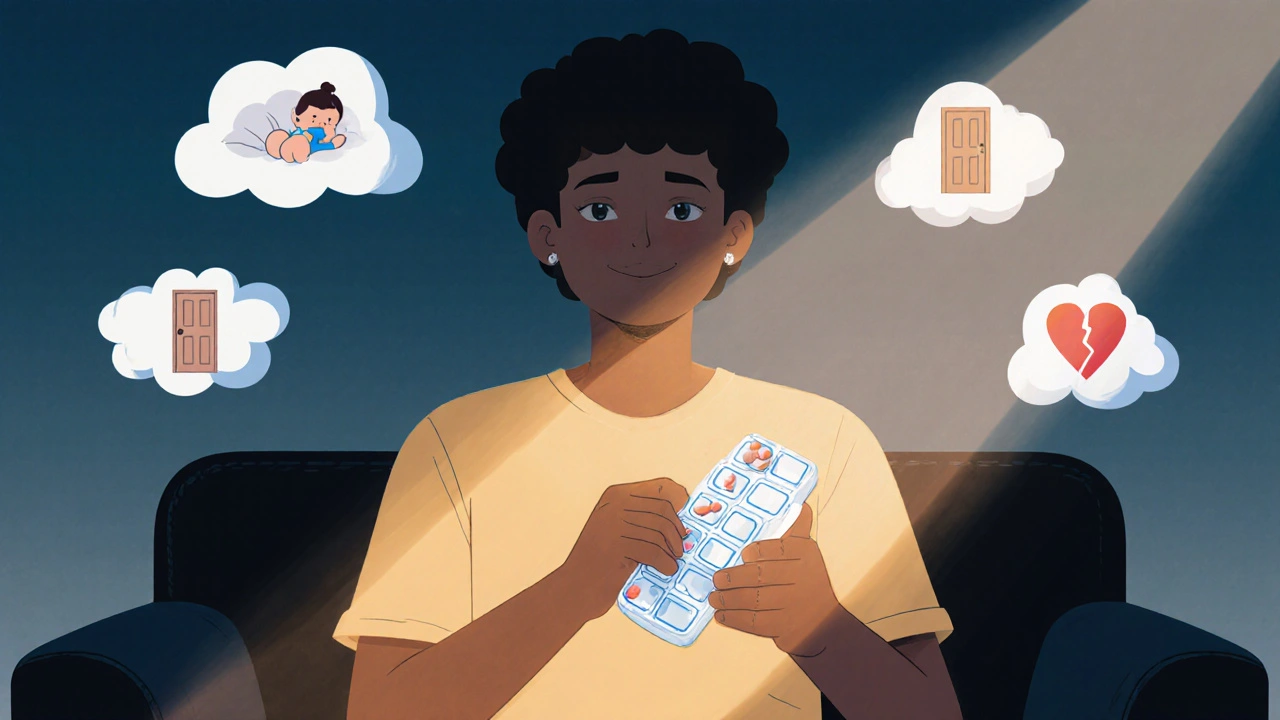
Medication Adherence: How to Stick to Your Treatment Without Losing Your Quality of Life
Medication adherence isn't just about taking pills-it's about balancing health needs with daily life. Learn how side effects, cost, and complex regimens affect adherence-and what actually works to make treatment sustainable.