
Elderly Statin Therapy: What Works, What Risks, and What You Need to Know
When it comes to elderly statin therapy, the use of cholesterol-lowering drugs like atorvastatin or simvastatin in adults over 65 to reduce heart attack and stroke risk. Also known as statin use in seniors, it’s one of the most common—but also most debated—treatments in geriatric care. Many doctors prescribe statins to older patients because high LDL cholesterol is linked to heart disease. But in people over 75, the data gets messy. Some studies show clear benefits; others suggest the risks may outweigh the gains, especially if someone has no history of heart problems.
It’s not just about cholesterol numbers. statin side effects, common issues like muscle pain, fatigue, and memory complaints that are more frequent and harder to spot in older adults. Also known as statin intolerance in seniors, these reactions can be mistaken for normal aging. A 78-year-old might blame tired legs on getting older, but it could be statin-induced myopathy. Then there’s the risk of new-onset diabetes, liver enzyme changes, and drug interactions—especially if they’re taking multiple pills for blood pressure, diabetes, or arthritis. The cardiovascular risk in elderly, the likelihood of heart attack, stroke, or death from heart disease in older adults based on age, lifestyle, and medical history. Also known as heart disease risk in seniors, it’s not a one-size-fits-all calculation. Someone with a prior heart attack or stroke has a much stronger reason to take a statin than someone with only high cholesterol and no other issues.
Doctors now look at life expectancy, frailty, and quality of life—not just lab values—before starting statins in older patients. Guidelines from the American College of Cardiology and the U.S. Preventive Services Task Force say that for healthy seniors over 75 with no prior heart disease, the evidence for statins is weak. But if someone is active, independent, and has a family history of early heart disease, the benefits can still be real. It’s not about age alone—it’s about the person behind the numbers.
What you’ll find in the articles below isn’t just a list of drug names. It’s a practical look at how statins fit into real lives—how they interact with other medications, what alternatives exist, how to spot hidden side effects, and when stopping might be the smarter choice. You’ll see how medication adherence, cost, and personal values shape decisions more than any guideline ever could. This isn’t theory. It’s what happens in clinics, pharmacies, and living rooms every day.
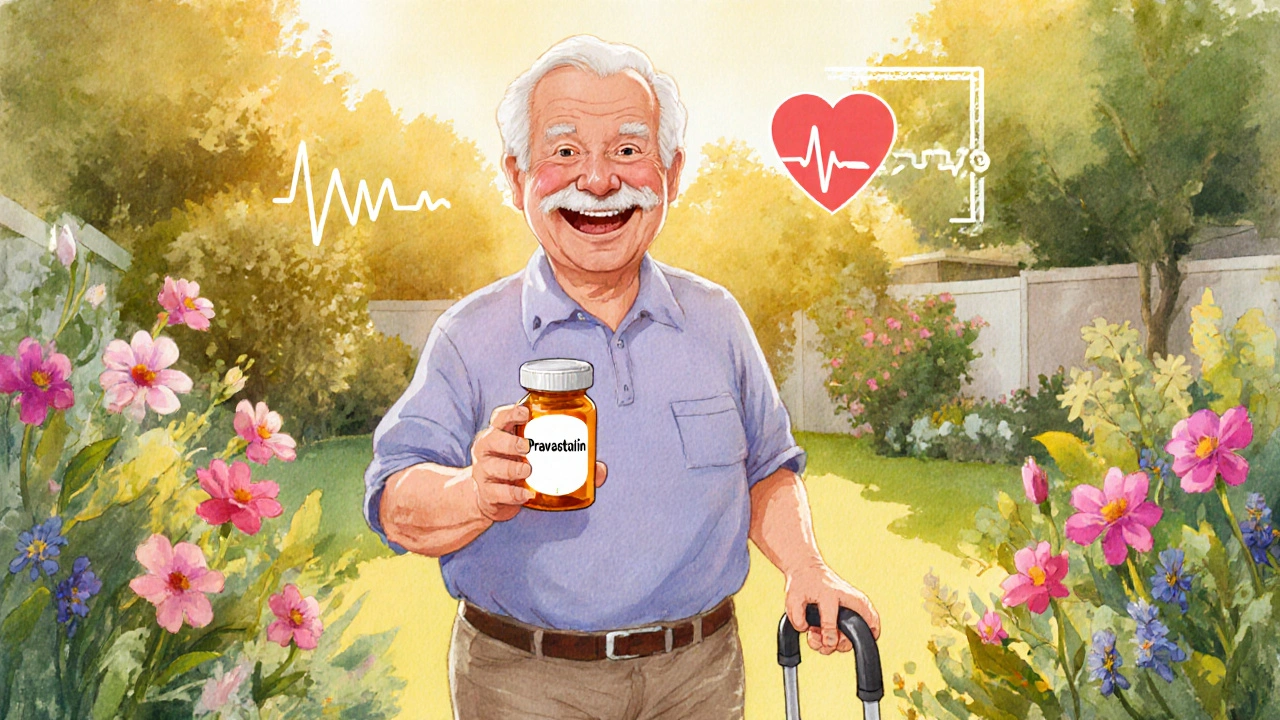
Pravastatin Tolerability in Older Adults: Side Effects and What You Need to Know
Pravastatin is one of the safest statins for older adults, with fewer muscle side effects and drug interactions than other options. Learn how it works, what side effects to watch for, and why it’s often the best choice for seniors.