
More than 1 in 3 adults in the U.S. have prediabetes-and most don’t even know it. That’s not just a statistic. It’s a warning sign your body is trying to tell you something. Your blood sugar is creeping up, your cells are struggling to respond to insulin, and if nothing changes, you’re on track for type 2 diabetes. But here’s the good news: prediabetes reversal isn’t just possible. It’s common. And you don’t need a miracle. You need real, doable changes.
What Exactly Is Prediabetes?
Prediabetes means your blood sugar is higher than normal but not high enough to be called diabetes yet. Doctors measure this in a few ways: fasting blood glucose between 100 and 125 mg/dL, HbA1c between 5.7% and 6.4%, or a 2-hour glucose level of 140-199 mg/dL after a sugar challenge test. These aren’t random numbers. They’re red flags that your body’s sugar-burning system is starting to stall.
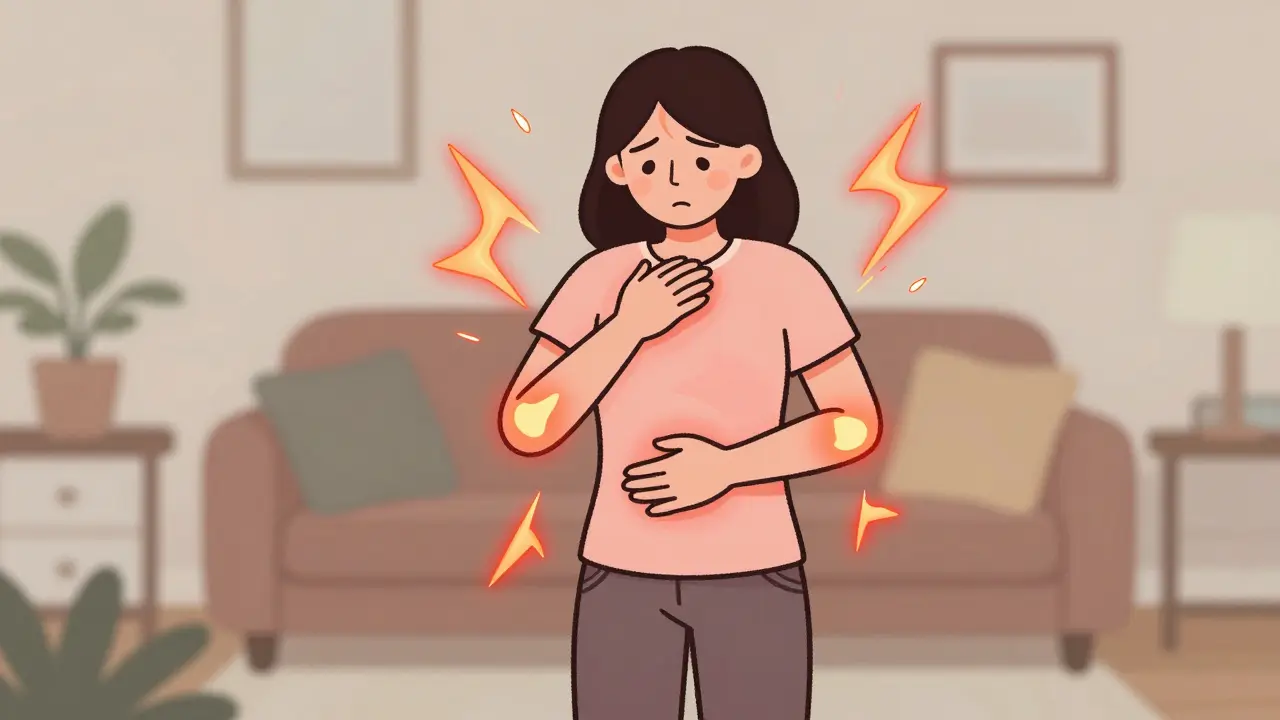
Without action, half of people with prediabetes will develop type 2 diabetes within five years. That’s not a guess. That’s what the CDC found. And once you’re diagnosed with full-blown diabetes, your risks go up for heart attacks, strokes, kidney failure, nerve damage, and even amputations. The good news? You’re not stuck here. You’re at the beginning of the road-and you still have full control over which way you turn.
Why Lifestyle Changes Work Better Than Pills
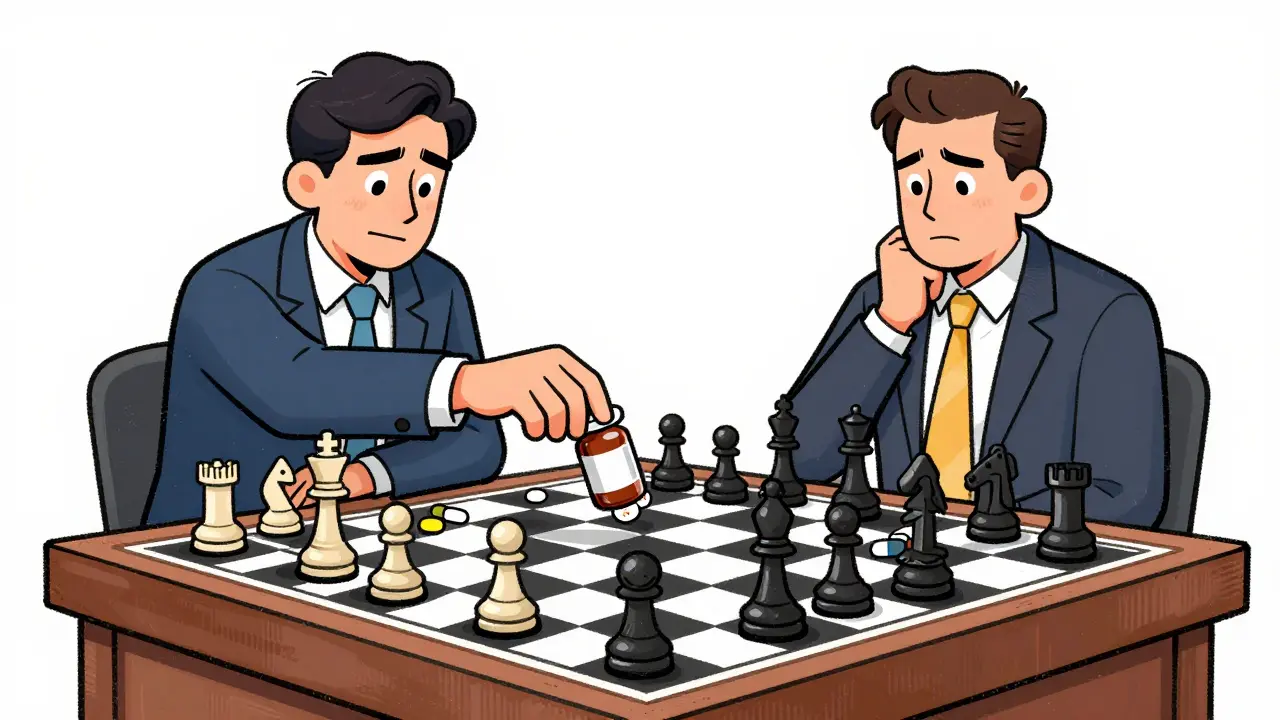
You might think, “Can’t I just take a pill?” There are medications that can lower blood sugar-GLP-1 agonists, metformin, even magnesium supplements. Some studies show they work. But here’s the catch: lifestyle changes beat them every time when it comes to long-term results.
A 2023 review of dozens of studies found that people who made real changes to their diet and movement were 18% more likely to get their blood sugar back to normal than those who didn’t. And the number of people you’d need to help to get one person back to normal? Just six. That’s better than most drugs. Plus, lifestyle changes don’t come with side effects like nausea, weight gain, or cost that makes you hesitate.
And here’s the kicker: you don’t even need to lose a ton of weight. A study in Nature Medicine showed people who reversed prediabetes didn’t always lose pounds. Some even gained a little. But they lost belly fat. Specifically, the deep fat around the liver and organs-the kind that messes with insulin. That’s what matters. Not the scale. Not the jeans. The fat that’s hiding inside you.
The Two Biggest Levers: Food and Movement
If you’re going to reverse prediabetes, focus on two things: what you eat and how much you move. That’s it. No fancy diets. No juice cleanses. No 3 a.m. workouts.
Food: Swap, Don’t Starve
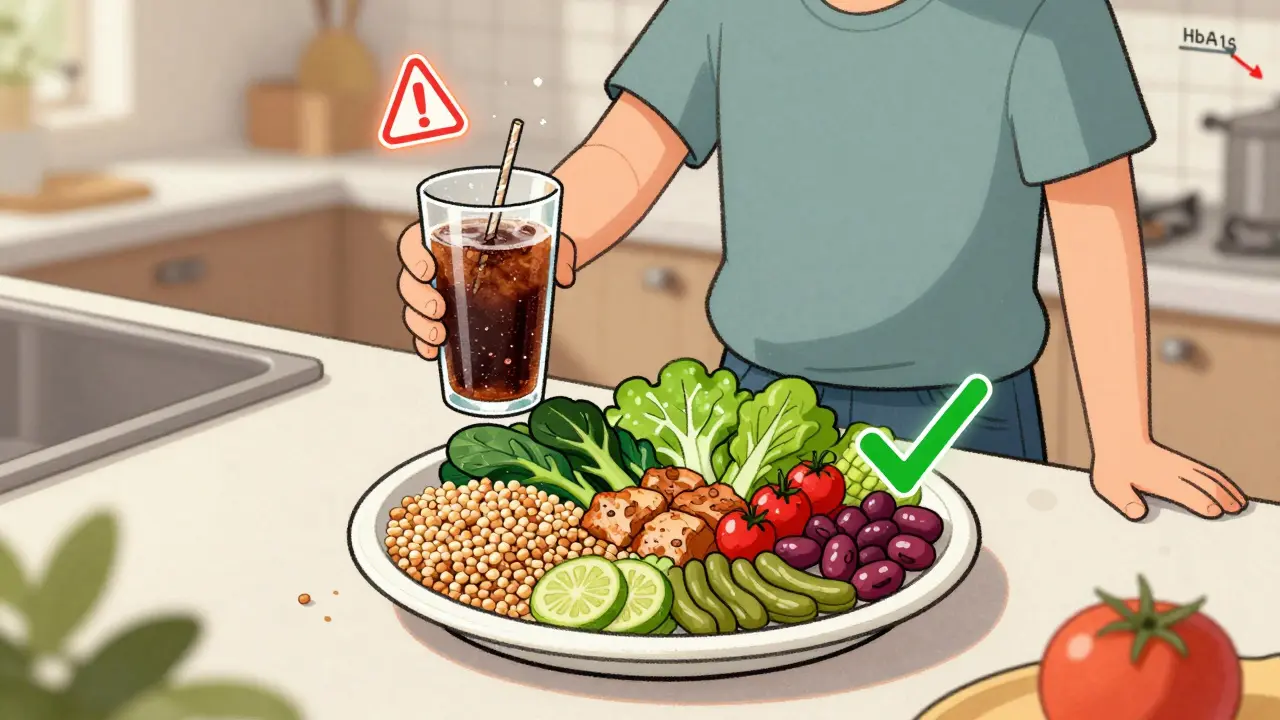
Start by cutting out the obvious: sugary drinks, white bread, white rice, pastries, and processed snacks. These spike your blood sugar fast and leave you hungry again in an hour. Instead, swap them for:
- Whole grains like oats, quinoa, farro, and brown rice
- Vegetables-especially leafy greens, broccoli, peppers, and cauliflower
- Fruits with fiber-berries, apples, pears
- Legumes like beans, lentils, and chickpeas
- Lean proteins like fish, chicken, tofu, and eggs
One simple rule: make half your plate colorful vegetables. If your meal looks beige-white rice, mashed potatoes, chicken nuggets-that’s a problem. Add color. Add texture. Add fiber. Fiber slows down sugar absorption. It keeps insulin steady. And it keeps you full.
Also, skip processed meats. Bacon, sausage, deli meats-they’re linked to higher diabetes risk. Choose grilled chicken, baked fish, or plant-based proteins instead.
Movement: 150 Minutes a Week Is All You Need
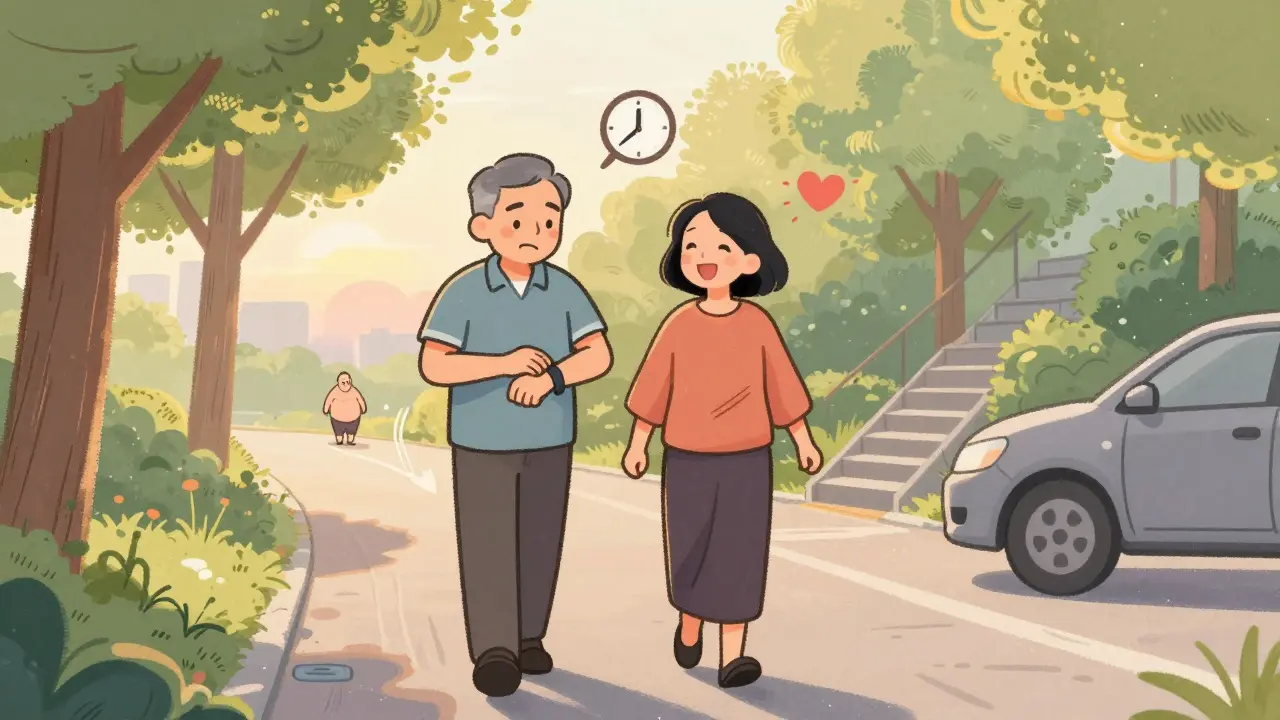
You don’t have to run a marathon. You don’t need a gym membership. Just move more. The magic number is 150 minutes of moderate activity per week. That’s 30 minutes, five days a week. Or 20 minutes, seven days. It adds up.
What counts? Brisk walking. Cycling. Swimming. Dancing. Even gardening. If you’re out of breath but can still talk, you’re in the right zone. Studies show this level of activity cuts diabetes risk by 58%. That’s not a small win. That’s life-changing.
And don’t forget movement between workouts. Stand up every 30 minutes. Take the stairs. Park farther away. Walk after dinner. These little things matter more than you think. They keep your muscles active, your blood flowing, and your insulin working better.
Weight Loss? Maybe. But It’s Not the Only Goal
Most people think reversing prediabetes means losing 20 pounds. But the CDC says 5% to 7% of your body weight is enough. For someone who weighs 200 pounds, that’s just 10 to 14 pounds. That’s not impossible. That’s doable.
But here’s what most people miss: you can reverse prediabetes without losing weight at all. A study found that people who improved their diet and activity levels normalized their blood sugar-even if they gained a few pounds. How? They lost visceral fat. The kind that wraps around your liver. That’s the fat that causes insulin resistance. So if your waistline shrinks a little-even if the scale doesn’t budge-you’re winning.
Measure your waist, not your weight. For men, aim for under 40 inches. For women, under 35. That’s a better predictor of diabetes risk than BMI.
What About Sleep and Stress?
You can eat perfectly and walk every day-but if you’re sleeping poorly or stressed out, your blood sugar still won’t cooperate. Chronic stress raises cortisol, which raises blood sugar. Poor sleep messes with insulin sensitivity. Even one night of bad sleep can make your body act like it’s prediabetic.
Try to get 7-8 hours of sleep. Keep a regular bedtime. Avoid screens an hour before bed. And manage stress. Walk outside. Breathe deeply. Talk to a friend. Meditate for five minutes. These aren’t fluff. They’re metabolic tools.
Real People, Real Results
Take Sarah, 52, from Liverpool. She was diagnosed with prediabetes after a routine blood test. Her HbA1c was 6.1%. She didn’t want pills. She didn’t want to starve. So she started small: swapped soda for sparkling water, added a 20-minute walk after dinner, and made sure every meal had at least two colors of vegetables. Six months later, her HbA1c dropped to 5.4%. Normal. No medication. No weight loss. Just better habits.
Or James, 68. He was told he’d need insulin. He joined a CDC-recognized program. For 16 weeks, he met weekly with a coach who helped him plan meals, track steps, and handle cravings. He lost 11 pounds-not because he cut carbs, but because he stopped eating out so often. His fasting glucose went from 120 to 94. He’s still walking every morning. He says, “I didn’t change my life. I just changed my routine.”

What Doesn’t Work
Don’t fall for quick fixes. Keto? Intermittent fasting? Detox teas? They might drop your sugar short-term, but they’re not sustainable. And they often backfire. You lose muscle. You get hungrier. You regain the weight. And your blood sugar climbs again.
Also, don’t try to do it alone. The CDC’s National Diabetes Prevention Program has over 1,600 recognized programs across the U.S. Many are covered by insurance. You get a trained coach, a support group, and a plan built for real life-not a magazine cover. If you’re in the UK, look for similar programs through the NHS or local health services. You’re not alone in this.
You’re Not Too Late
Some people think, “I’ve had prediabetes for years. Is it too late?” No. The earlier you start, the better. But even if you’ve been at this for five years, reversing it is still possible. The longer you wait, the more your pancreas struggles. But studies show that even people who made changes after 3-5 years of prediabetes still cut their diabetes risk by 70% over the next decade.
You don’t need to be perfect. You just need to be consistent. One healthy meal. One walk. One night of good sleep. That’s your foundation. Build on it. Day by day.
What Happens After You Reverse It?
Reversing prediabetes doesn’t mean you’re done. It means you’ve bought yourself time. Time to live without daily pills. Time to avoid dialysis. Time to stay active as you age. But your body remembers. So keep doing what you’re doing. Keep eating vegetables. Keep moving. Keep sleeping well.
Get your blood sugar checked every year. Even if you feel fine. Prediabetes can creep back. But with the right habits, it doesn’t have to.


peter vencken
March 24, 2026 AT 06:49lol i just read this and thought 'wait... i have prediabetes and i didn't even know it' 🤯
my doc never mentioned it. i thought my 'fatigue' was just from working too much. turns out it was my blood sugar playing hopscotch. switched to sparkling water and started walking after dinner. 3 months later, my A1c dropped from 6.0 to 5.5. no meds. just dumb simple stuff.
Caroline Bonner
March 25, 2026 AT 15:38THIS. THIS RIGHT HERE. I’ve been saying this for years but nobody listens. You don’t need to go keto, you don’t need to fast for 18 hours, you don’t need to buy $80 supplements on Amazon. You just need to stop eating beige food. Seriously. If your plate looks like a construction site with concrete and drywall-white rice, white bread, mashed potatoes, chicken nuggets-you’re basically feeding your pancreas a slow poison. Swap it out. Add color. Add fiber. Add movement. Even if you gain weight, if your waist shrinks? You’re winning. I didn’t lose 10 pounds-I lost 2 inches off my waist. My liver stopped screaming. My energy? Now I can play with my kids without feeling like I ran a marathon. And I didn’t even try. I just stopped being lazy. Small changes. Daily. That’s the secret. Not willpower. Just habit stacking. Walk after dinner. Eat veggies first. Drink water before coffee. It’s not magic. It’s math. And it works.
Rama Rish
March 25, 2026 AT 18:18yes! in india we call it 'sugar disease' but no one talks about it until it's too late. my mom reversed it by eating dal, roti, and walking 30 mins daily. no fancy diet. just real food. and sleep. she sleeps at 9 pm. no phone. game changer.
Kevin Siewe
March 27, 2026 AT 07:36It’s important to recognize that while lifestyle changes are effective, they’re not always accessible. Not everyone has the time, resources, or support system to make these changes. I’ve seen patients who work two jobs, live in food deserts, or lack safe places to walk. The system needs to catch up. Personal effort matters-but policy matters more.
Chris Farley
March 28, 2026 AT 22:31Oh great. Another 'lifestyle change' cult post. So now we're told to walk more and eat veggies because Big Pharma doesn't want us to be healthy? Newsflash: I've been walking 5 miles a day since I was 12. I eat kale. I drink water. And I still have prediabetes. What's the real problem? It's not food. It's not exercise. It's genetics. And your 'CDC-approved' advice is just corporate fluff to keep people docile while they profit off insulin. Wake up. This isn't about willpower. It's about biology.
Darlene Gomez
March 29, 2026 AT 04:23Chris, I hear you. Genetics do play a role-but they’re not destiny. I’m 58, have a family history of diabetes, and I’m insulin resistant. But I reversed my prediabetes. Not by magic. Not by ignoring biology. By working *with* it. I didn’t fight my body. I listened. I swapped one habit at a time. I walked while listening to audiobooks. I ate veggies before carbs. I slept like my life depended on it. And yes, my numbers improved. Not because I was perfect. Because I was persistent. You don’t have to be a saint. Just consistent. And if you think it’s all about genetics, then you’re giving up before you’ve even tried. That’s not science. That’s surrender.
Katie Putbrese
March 30, 2026 AT 00:44Why are we letting the government tell us what to eat? I don’t need a CDC program. I eat bacon. I eat cheese. I eat cake. I’m fine. People are panicking over numbers that mean nothing. My grandfather lived to 98 eating sugar and smoking. You’re overcomplicating life. Stop listening to 'experts.' Eat what you want. Move if you feel like it. Life’s too short to be scared of blood sugar.
Jacob Hessler
March 31, 2026 AT 18:47you guys are overthinking this. i eat pizza every friday. i dont walk. i sleep at 3am. and my sugar is fine. stop scaring people. its all hype. the real problem is people who cant handle their own lives. just chill.
Amber Gray
April 1, 2026 AT 16:50me too 😌 I just started walking after dinner and now I don't need my 3pm soda anymore. 🥱💤✨
Linda Foster
April 2, 2026 AT 11:34While the general advice presented is consistent with current clinical guidelines, it is critical to acknowledge that individual physiological variability significantly influences outcomes. The assumption that lifestyle modifications are universally effective may inadvertently stigmatize those with metabolic conditions influenced by endocrine, genetic, or socioeconomic factors. A one-size-fits-all approach, however well-intentioned, risks oversimplifying a complex pathophysiological continuum. Clinical decision-making should remain individualized, evidence-based, and patient-centered.