
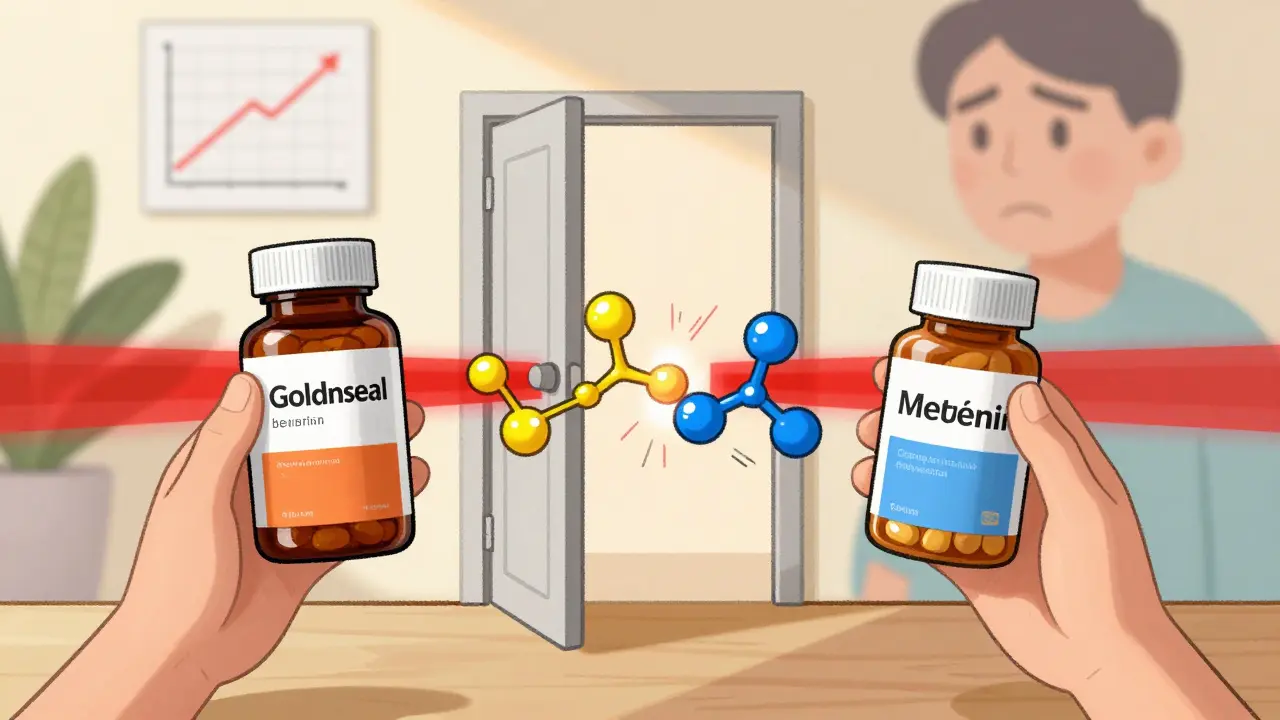
Many people with type 2 diabetes turn to herbal supplements like goldenseal hoping to improve their blood sugar control. But what they don’t realize is that taking goldenseal with metformin might actually make their diabetes harder to manage-not easier.
What’s Really Going On Between Goldenseal and Metformin?
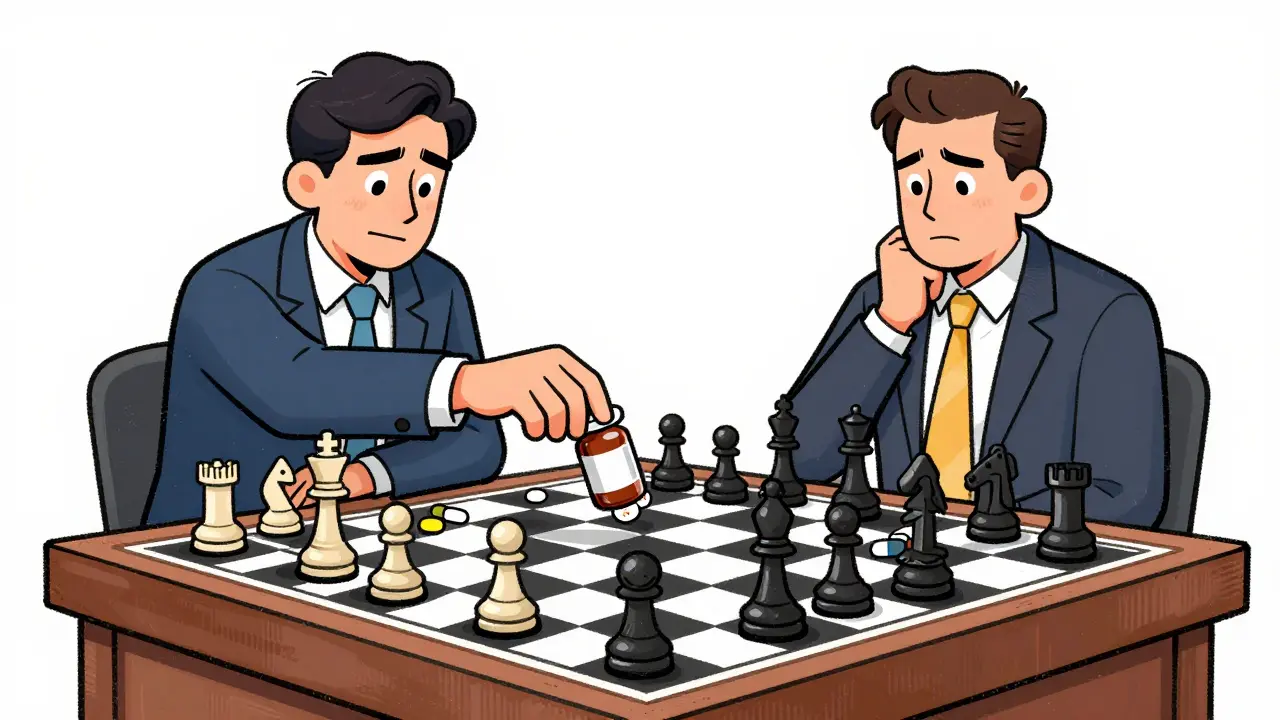
Goldenseal is a plant native to North America, often sold as a supplement for colds, digestion, or immune support. Its main active ingredient is berberine, a compound that’s been studied for its ability to lower blood sugar. In fact, some clinical trials show berberine can reduce fasting glucose and HbA1c almost as well as metformin in certain cases. But here’s the problem: when you take goldenseal alongside metformin, your body absorbs less of the metformin. A 2025 clinical trial published in Clinical and Translational Science found that goldenseal reduced metformin levels in the blood by up to 25% in people taking lower doses (500-750 mg per day). That’s not a small drop-it’s enough to make your medication less effective. The reason? It’s not about liver metabolism or kidney clearance. It’s about how your gut works. Metformin needs special transporters in your intestines to get into your bloodstream. Goldenseal’s berberine competes for those same transporters, blocking metformin from being absorbed properly. Think of it like two people trying to get through the same narrow door at the same time-only one can get through easily.Why Dose Matters
The interaction isn’t the same for everyone. The higher your metformin dose, the less impact goldenseal has.- At 500-750 mg of metformin daily: metformin levels drop by about 25%
- At 1,000-1,500 mg daily: metformin levels drop by about 14%
- At 2,000-2,550 mg daily: no significant change
What About the HbA1c Drop? Isn’t That Good?
Here’s where things get confusing. In the same 2025 study, participants’ HbA1c levels actually dropped from an average of 6.8% to 6.5%-a sign of better blood sugar control. So if goldenseal is reducing metformin levels, why did blood sugar improve? The answer is berberine. Even though it’s blocking metformin, berberine itself lowers blood sugar. It works through similar pathways as metformin: improving insulin sensitivity, reducing liver glucose production, and slowing sugar absorption in the gut. So you’re getting a double effect: less metformin, but more berberine. The result? Blood sugar might still look okay on paper. But that’s dangerous. Why? Because you can’t predict how much berberine you’re getting from goldenseal. Supplements aren’t regulated like drugs. One capsule might have 50 mg of berberine. Another might have 200 mg. Your blood sugar could swing unpredictably-sometimes too low, sometimes not low enough.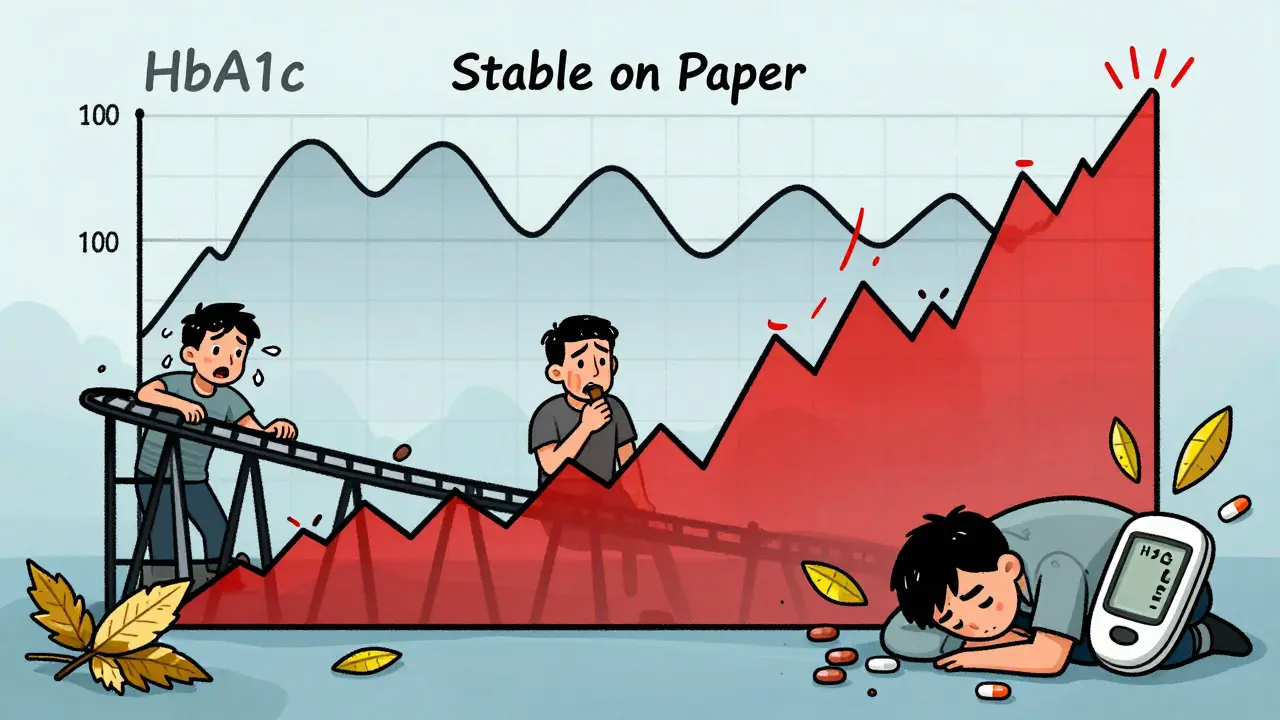
The Real Danger: Hidden Fluctuations
People often assume that if their HbA1c is stable, everything’s fine. But HbA1c reflects your average blood sugar over three months. It doesn’t show daily spikes or crashes. Imagine this: you take goldenseal in the morning. Your metformin absorption drops. Your blood sugar rises after meals. You feel sluggish, hungry, or foggy. You blame stress or carbs. You don’t realize your medication isn’t working right. Then, later in the day, the berberine kicks in. Your blood sugar plummets. You get shaky, sweaty, dizzy. You eat a snack to feel better. Now your blood sugar rebounds. This rollercoaster stresses your body, damages blood vessels over time, and increases your risk of complications. The MSD Manual Professional Edition (2024) warns: “Goldenseal may decrease the blood levels of metformin, potentially hindering glucose control.” But it also says: “Berberine may increase the hypoglycemic effects of antihyperglycemic drugs.” That’s not a contradiction-it’s a trap.What Do Experts Say?
The American Diabetes Association doesn’t have a specific guideline on goldenseal yet. But they do say: “Routine assessment of all medications and supplements is essential in diabetes care.” The Endocrine Society issued a formal advisory in 2022: “Herbal products can interact with antidiabetic medications. Clinicians should ask patients about supplement use.” And here’s the kicker: 35-40% of people with diabetes take herbal supplements, according to a 2022 study in Diabetes Care. That’s nearly half of all patients. Many don’t tell their doctors because they think “natural” means “safe.” In reality, goldenseal is not safe to mix with metformin unless you’re under close medical supervision.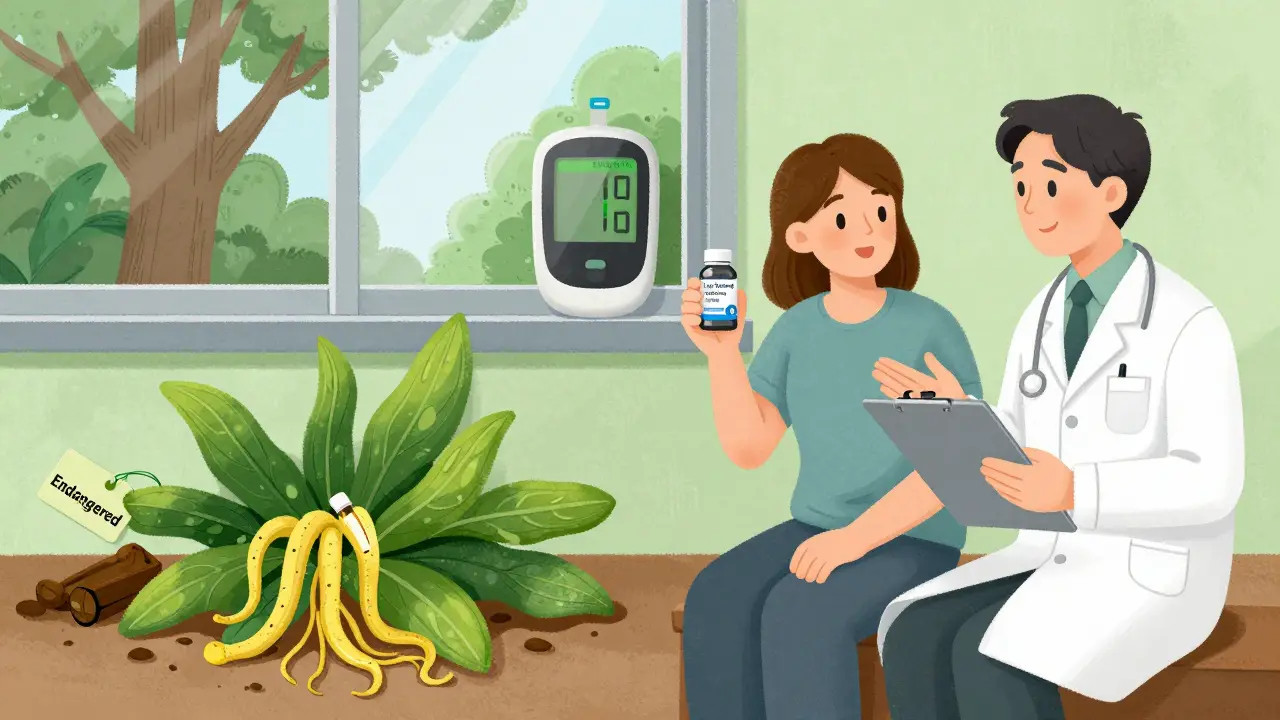
What Should You Do?
If you’re taking metformin and thinking about trying goldenseal-or you’re already taking it-here’s what to do:- Stop taking goldenseal immediately if you’ve noticed unexplained changes in your blood sugar-higher fasting levels, more frequent lows, or erratic readings.
- Tell your doctor exactly what supplements you’re using. Don’t say “I take a herbal thing.” Say: “I take goldenseal for immunity.” Be specific.
- Ask about berberine supplements instead. If you want the blood sugar benefits of berberine, ask your doctor about a standardized, lab-tested berberine product (500 mg, two to three times daily). These are more predictable than goldenseal, which varies wildly in potency.
- Don’t rely on HbA1c alone. Monitor your daily blood glucose with a meter. Look for patterns. If your readings are more variable after starting a supplement, it’s a red flag.
- Wait at least 4 hours between taking metformin and any herbal product. This won’t eliminate the interaction, but it may reduce its severity.
Is There a Safe Alternative?
Yes-but not goldenseal. Berberine supplements (without the other plant compounds in goldenseal) are available in standardized doses. They’ve been studied in over 2,300 people across 27 trials. Results show they can lower fasting glucose by about 15-20 mg/dL and HbA1c by 0.5-1% over 3-6 months. But here’s the catch: even standardized berberine can interact with metformin. The same transporter competition still happens. So if you want to use berberine, you need to:- Start with a low dose (500 mg once daily)
- Monitor your blood sugar closely for 2 weeks
- Adjust your metformin dose only under medical supervision
- Never combine it with other herbs like cinnamon, fenugreek, or bitter melon without checking with your provider
The Bigger Picture
Goldenseal isn’t just risky-it’s endangered. Wild populations have declined by over 90% in the last 20 years due to overharvesting. Buying it supports illegal trade and harms ecosystems. And yet, it’s still one of the top 20 most popular herbal supplements in the U.S., according to the 2022 National Health Interview Survey. People buy it because they’re desperate to feel in control of their diabetes. They’re looking for a natural fix. But the truth is, the best way to control your blood sugar isn’t a supplement. It’s consistent diet, movement, sleep, and medication-taken as prescribed, without hidden interference. If you’re struggling with your diabetes management, talk to your doctor. Ask about adjusting your metformin dose, adding a GLP-1 agonist, or using a continuous glucose monitor. These are proven, safe, and regulated options. Don’t gamble your health on a plant that’s disappearing from the wild-and might be making your diabetes worse.Can I take goldenseal with metformin if I’m on a low dose?
No. If you’re taking 500-750 mg of metformin daily, goldenseal can reduce your metformin levels by up to 25%, making it less effective at controlling blood sugar. This increases your risk of high glucose levels, even if you feel fine. The interaction is strongest at lower doses.
Why did my HbA1c improve while taking goldenseal and metformin?
The berberine in goldenseal has its own blood sugar-lowering effects. So even though your metformin levels dropped, berberine compensated. But this is unpredictable and risky. Berberine levels in supplements vary widely, and you could suddenly experience dangerous lows or highs. HbA1c doesn’t show daily swings, so your overall control may still be unstable.
Is berberine supplement safer than goldenseal?
Berberine supplements are more consistent in dosage than goldenseal, which varies in potency. But they still interact with metformin the same way-by competing for gut transporters. So if you want to use berberine, you need medical supervision, close blood sugar monitoring, and likely a metformin dose adjustment. Never switch to berberine without talking to your doctor.
How long does it take for goldenseal to affect metformin?
The interaction builds over time. Studies show significant reductions in metformin absorption after 6 days of daily goldenseal use. It’s not an immediate effect, which is why many people don’t notice the problem until weeks or months later-when their blood sugar starts rising without explanation.
Should I stop taking goldenseal cold turkey?
Yes, if you’re taking it with metformin. Stopping suddenly won’t cause withdrawal, but you should monitor your blood sugar closely for the next 1-2 weeks. Your metformin levels will start to rise again, which may cause your blood sugar to drop. Keep your glucose meter handy and notify your doctor if you experience frequent lows.

Josh McEvoy
January 25, 2026 AT 21:47Sawyer Vitela
January 26, 2026 AT 18:46Alexandra Enns
January 26, 2026 AT 20:31Shanta Blank
January 27, 2026 AT 01:36Tiffany Wagner
January 28, 2026 AT 17:03Michael Camilleri
January 28, 2026 AT 21:27lorraine england
January 29, 2026 AT 17:13Darren Links
January 31, 2026 AT 09:52Kevin Waters
January 31, 2026 AT 21:51Kat Peterson
February 1, 2026 AT 19:08Helen Leite
February 2, 2026 AT 12:44Elizabeth Cannon
February 3, 2026 AT 23:14Don Foster
February 5, 2026 AT 12:22Marie-Pier D.
February 6, 2026 AT 13:54