
Fentanyl Patch Safety Risk Calculator
This tool calculates your risk of fentanyl overdose based on key safety factors. Always follow your doctor's instructions.
Your Risk Assessment
- Remove the patch immediately
- Administer naloxone (Narcan) if available
- Continue giving naloxone every 2-3 minutes
- Position person on their side until help arrives
- Keep patches locked away from children and pets
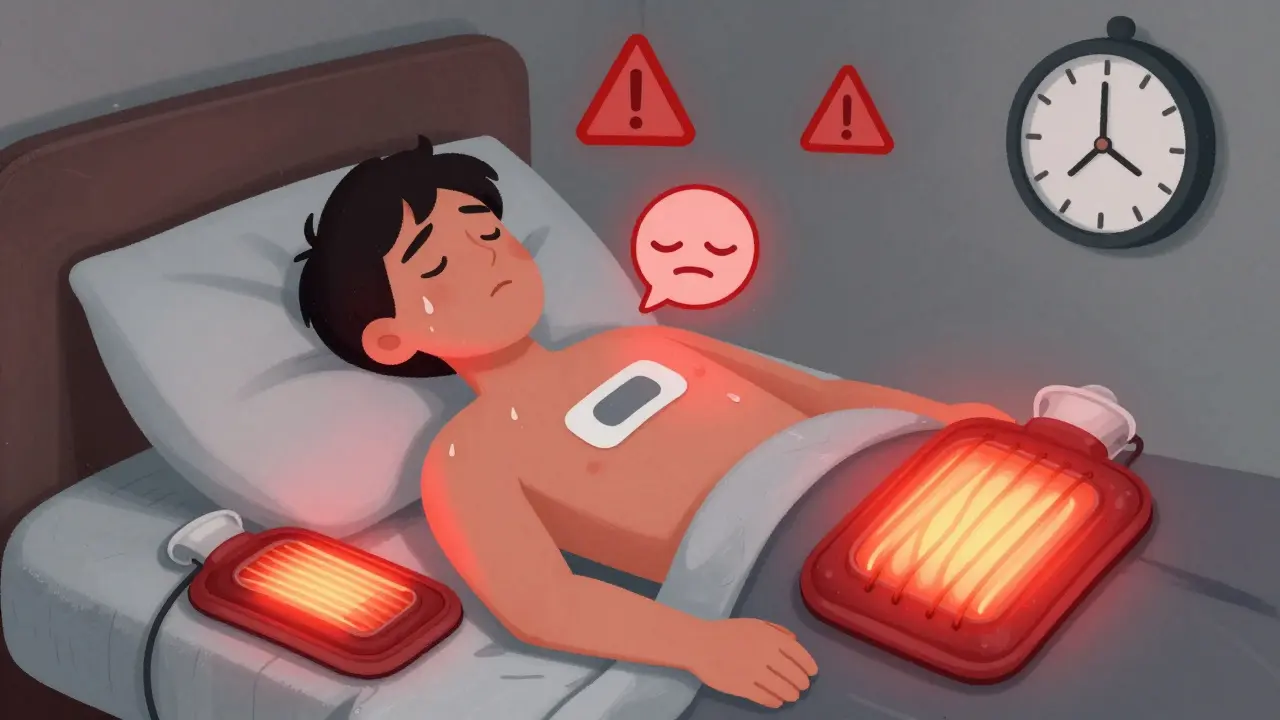
- Avoid heat sources (hot tubs, saunas, heating pads)
- Always carry naloxone with you
- Dispose of used patches by folding sticky side to side
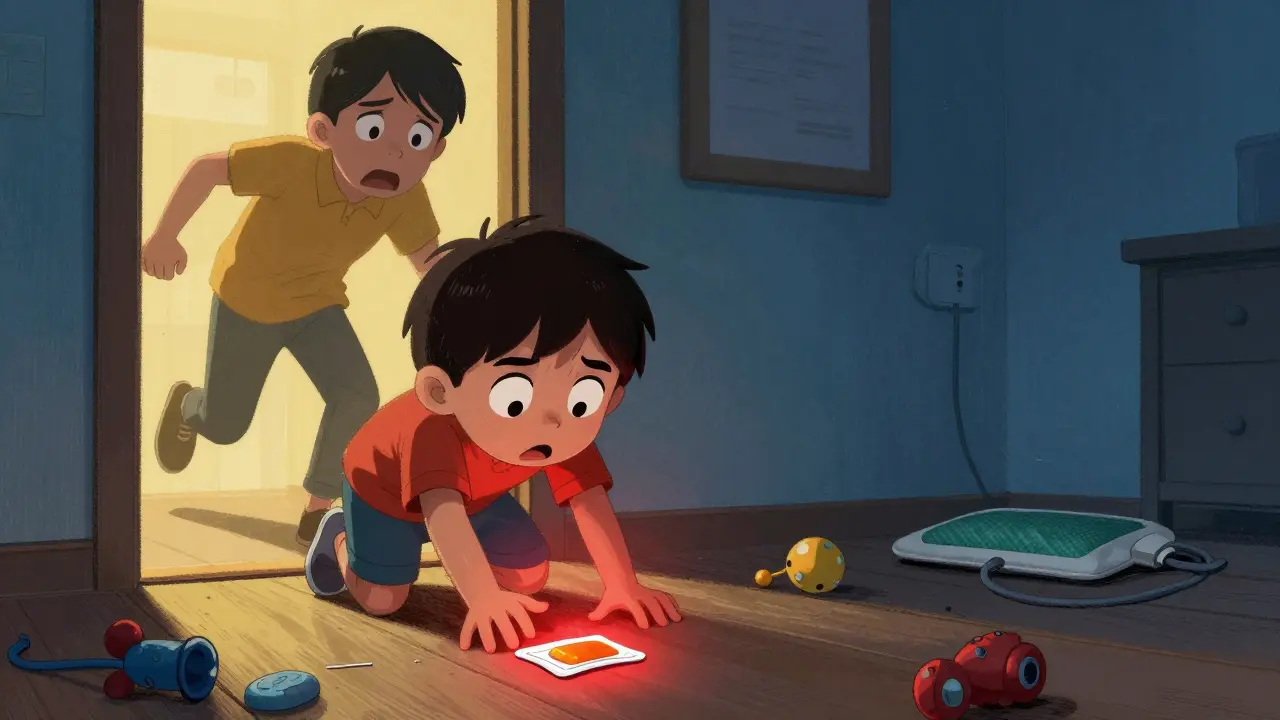
Using a fentanyl patch might seem straightforward - stick it on your skin, and it slowly releases pain relief for three days. But behind that simple step lies a powerful opioid that can kill you if misused, even by accident. Fentanyl is 50 to 100 times stronger than morphine, and a patch designed for chronic pain can become a deadly trap if not handled with extreme care. This isn’t theoretical. Between 1997 and 2012, 32 children died in the U.S. after finding and sticking discarded patches to their skin. These aren’t rare cases. They’re preventable tragedies.
How Fentanyl Patches Work - and Why They’re Dangerous
Fentanyl patches deliver medication through the skin over 72 hours. Unlike pills that spike and drop in your system, patches aim for steady levels - which is good for pain control but dangerous if your body isn’t used to the drug. The patch contains a gel reservoir of fentanyl citrate that slowly moves into your bloodstream. But this slow release becomes a liability when things go wrong.
Heat is a silent killer here. A hot shower, a heating pad, or even a fever can cause your body to absorb fentanyl faster. One study found that a 10°C rise in skin temperature can double the amount of fentanyl entering your blood. That’s why the FDA warns against using these patches if you have a fever or plan to use saunas, hot tubs, or electric blankets. Your body doesn’t know the difference between heat from a patch and heat from a fever - it just absorbs more.
Another hidden risk: leftover patches. Even after you remove a used patch, it still holds up to half its original dose. If a child finds one and sticks it to their skin - or if a pet licks it - it can cause sudden, fatal overdose. That’s why the FDA and NHS both insist you fold the sticky side of a used patch onto itself before throwing it away, and keep them locked up like you would with firearms.
Fentanyl Overdose: What It Looks Like and What to Do
Overdose from a fentanyl patch doesn’t always feel like a dramatic collapse. Often, it starts quietly: extreme drowsiness, trouble breathing, or not responding when you speak. These signs are easy to miss - especially if you’re already tired from chronic pain. But they’re your body screaming for help.
Key overdose symptoms include:
- Slow, shallow, or stopped breathing
- Cold, clammy, or blue skin
- Pupils that shrink to pinpoints
- Unresponsiveness - you can’t wake the person up
- Weak or limp muscles
- Slow or irregular heartbeat
If you see any of these, act immediately. Remove the patch. Call emergency services. If you have naloxone (Narcan), give it. Naloxone reverses opioid overdose by blocking fentanyl from binding to brain receptors. One dose might not be enough - fentanyl is so strong that multiple doses of naloxone are often needed. Keep giving it every 2-3 minutes until help arrives.
The FDA now recommends that anyone prescribed a fentanyl patch also be given naloxone. Not as a backup - as a standard part of treatment. You wouldn’t drive without a seatbelt. Don’t use fentanyl without naloxone nearby.
Withdrawal: The Hidden Crisis After Stopping
Stopping fentanyl patches suddenly is one of the most dangerous things you can do. Even if you feel fine, your body has adapted. Your brain expects the drug. When it’s gone, your nervous system goes into overdrive.
Withdrawal symptoms usually start 8 to 24 hours after your last patch. They peak around 36 to 72 hours and can last for weeks. Symptoms include:
- Intense anxiety and irritability
- Severe muscle aches and tremors
- Insomnia and restless legs
- Profuse sweating and chills
- Nausea, vomiting, and diarrhea
- Rapid heartbeat and high blood pressure
- Runny nose and teary eyes
- Thoughts of suicide or self-harm
The CDC and EMA both warn that withdrawal from fentanyl isn’t just uncomfortable - it can be life-threatening. Vomiting and diarrhea for days can lead to dangerous dehydration and electrolyte imbalances. High blood pressure and heart rate spikes can trigger heart attacks in vulnerable people. And if you’ve been on the patch for more than a few weeks, your tolerance has dropped. If you relapse after stopping, even a small dose can kill you.
A 2021 Johns Hopkins study found that 37% of fatal fentanyl overdoses happened in people who had recently stopped using. They thought they were safe. They weren’t.
How to Stop Safely - No Guesswork
You never stop fentanyl patches on your own. Not even if you’ve been using them for a month. The FDA, EMA, and Mayo Clinic all agree: tapering must be done under medical supervision.
A typical taper reduces your dose by 10% to 25% every 1 to 3 weeks. If you’re on a high dose (like 100 mcg/hour), it might take months. Your doctor will monitor your pain, mood, and physical symptoms. They might switch you to a shorter-acting opioid first - like oxycodone - to make the taper smoother.
Never skip appointments. Your prescription isn’t refillable. If you run out, you’re at risk. The NHS and MedlinePlus both stress that you must schedule regular check-ins. Your doctor needs to see how you’re doing, adjust your dose, and plan your next steps.
Who Should Never Use Fentanyl Patches
Fentanyl patches are not for everyone. They’re only approved for people who are already opioid-tolerant - meaning they’ve been taking at least 60 mg of morphine daily for a week or longer. If you’ve never taken opioids before, this is not your option. It’s a death sentence waiting to happen.
They’re also not for:
- Acute pain (like after surgery)
- Intermittent pain (pain that comes and goes)
- People with breathing problems, like sleep apnea or COPD
- Those taking other sedatives - alcohol, benzodiazepines, sleeping pills
- Anyone under 18
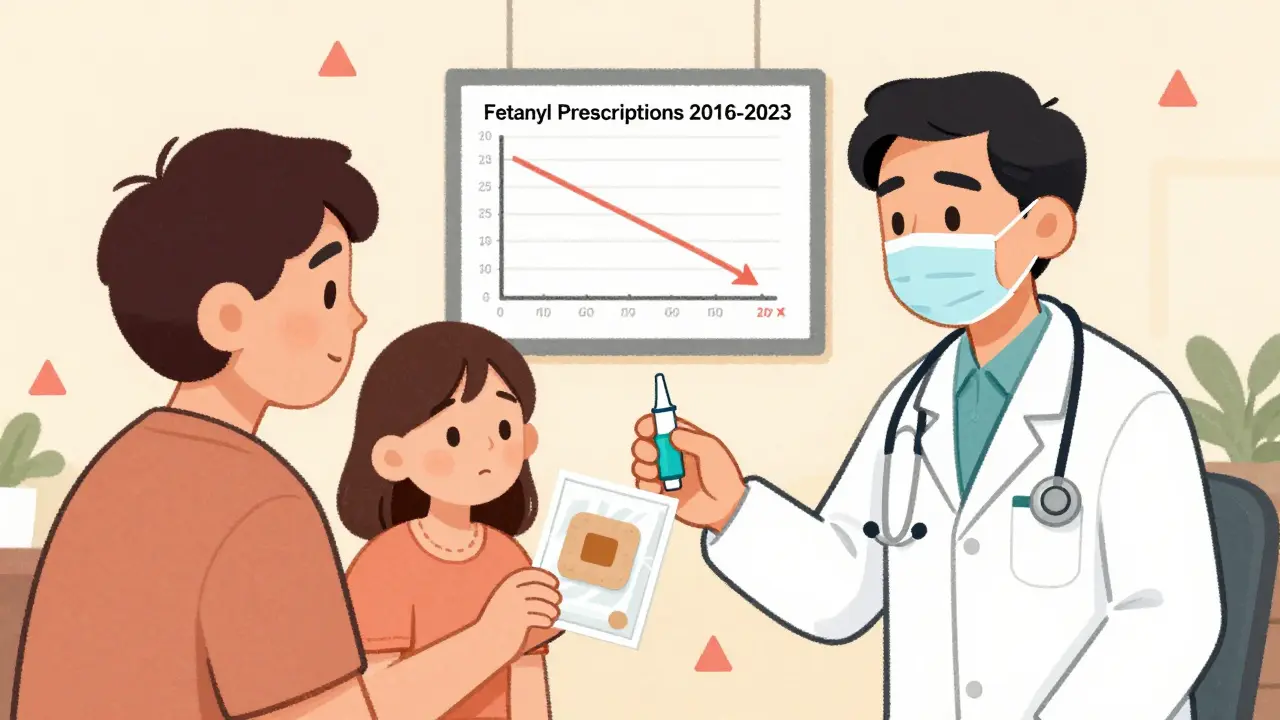
The American Medical Association found that in 2023, 78% of doctors now only consider fentanyl patches after all other pain treatments have failed. That’s a big shift from 2016, when half of doctors still prescribed them too freely. The data is clear: these patches save lives only when used as a last resort.
What You Must Do to Stay Safe
If you’re using a fentanyl patch, here’s your non-negotiable checklist:
- Keep patches locked away - out of reach of kids, pets, and visitors.
- Never use heat sources (heating pads, hot tubs, saunas) while wearing a patch.
- Always carry naloxone - and make sure someone close to you knows how to use it.
- Never stop or change your dose without talking to your doctor.
- Dispose of used patches properly: fold sticky side to sticky side, then throw in the trash.
- Tell every doctor or dentist you see that you’re on a fentanyl patch - even for a tooth extraction.
- Attend all follow-up appointments. No exceptions.
These aren’t suggestions. They’re survival rules.
What’s Changing Now
In 2023, the FDA made naloxone co-prescribing mandatory for all opioid prescriptions - including fentanyl patches. That means if your doctor writes you a prescription, they must also offer you naloxone. It’s not optional anymore.
Researchers are also testing new patch designs that reduce overdose risk. One trial (NCT04892345) is testing patches that only release fentanyl if your skin temperature is normal. Another (NCT05128763) is testing patches that lock the drug inside if tampered with. These aren’t on the market yet - but they’re coming.
Prescriptions have dropped 42% since 2016. That’s not because they’re less effective. It’s because we finally understand how deadly they can be when misused.
Can you overdose from a fentanyl patch even if you’ve been using it for months?
Yes. Even long-term users can overdose if they’re exposed to heat, take other sedatives, or accidentally apply an extra patch. Fentanyl’s potency means your body’s tolerance can shift quickly. A fever, a new medication, or even a change in metabolism can push you over the edge. Always monitor for signs of breathing trouble.
Is fentanyl withdrawal dangerous enough to require hospitalization?
It can be. Severe vomiting and diarrhea can lead to dehydration, electrolyte imbalance, and heart rhythm problems. People with heart conditions, diabetes, or kidney disease are at higher risk. Hospitalization isn’t always needed, but medical supervision is. Never try to detox alone.
Why can’t I just cut the patch in half to reduce my dose?
Cutting a patch destroys its controlled-release mechanism. You’ll get an unpredictable, possibly dangerous spike in fentanyl. The patch is designed to release a precise amount over 72 hours. Cutting it can deliver the full dose all at once. Always ask your doctor for a lower-strength patch instead.
What should I do if I find a fentanyl patch on the ground or in a public place?
Do not touch it. If you must handle it, wear gloves or use a plastic bag. Fold the sticky side inward, seal it in a container, and call your local pharmacy or poison control center. Never put it in your pocket or purse. Accidental exposure can be fatal.
Can I use fentanyl patches if I drink alcohol occasionally?
No. Alcohol combined with fentanyl can shut down your breathing. Even one drink can be dangerous. The FDA and EMA both warn against any alcohol use while on fentanyl patches. This isn’t a suggestion - it’s a life-or-death rule.
Chris Dwyer
March 22, 2026 AT 19:37shannon kozee
March 23, 2026 AT 14:57trudale hampton
March 23, 2026 AT 15:11Johny Prayogi
March 25, 2026 AT 09:15Natali Shevchenko
March 26, 2026 AT 16:15Thomas Jensen
March 27, 2026 AT 22:26Desiree LaPointe
March 28, 2026 AT 14:33Sandy Wells
March 30, 2026 AT 08:23Paul Cuccurullo
March 30, 2026 AT 22:48Casey Tenney
March 31, 2026 AT 07:10Nishan Basnet
March 31, 2026 AT 10:28Allison Priole
March 31, 2026 AT 21:59Shaun Wakashige
April 1, 2026 AT 04:45Jackie Tucker
April 2, 2026 AT 14:42