All-In-One Pharma Guide at ChemistClick.co.uk - Page 2

Fentanyl Patch Side Effects: Overdose and Withdrawal Risks Explained
Fentanyl patches are powerful pain relievers but carry serious overdose and withdrawal risks. Learn the signs of overdose, why sudden stopping is dangerous, and how to use them safely under medical supervision.
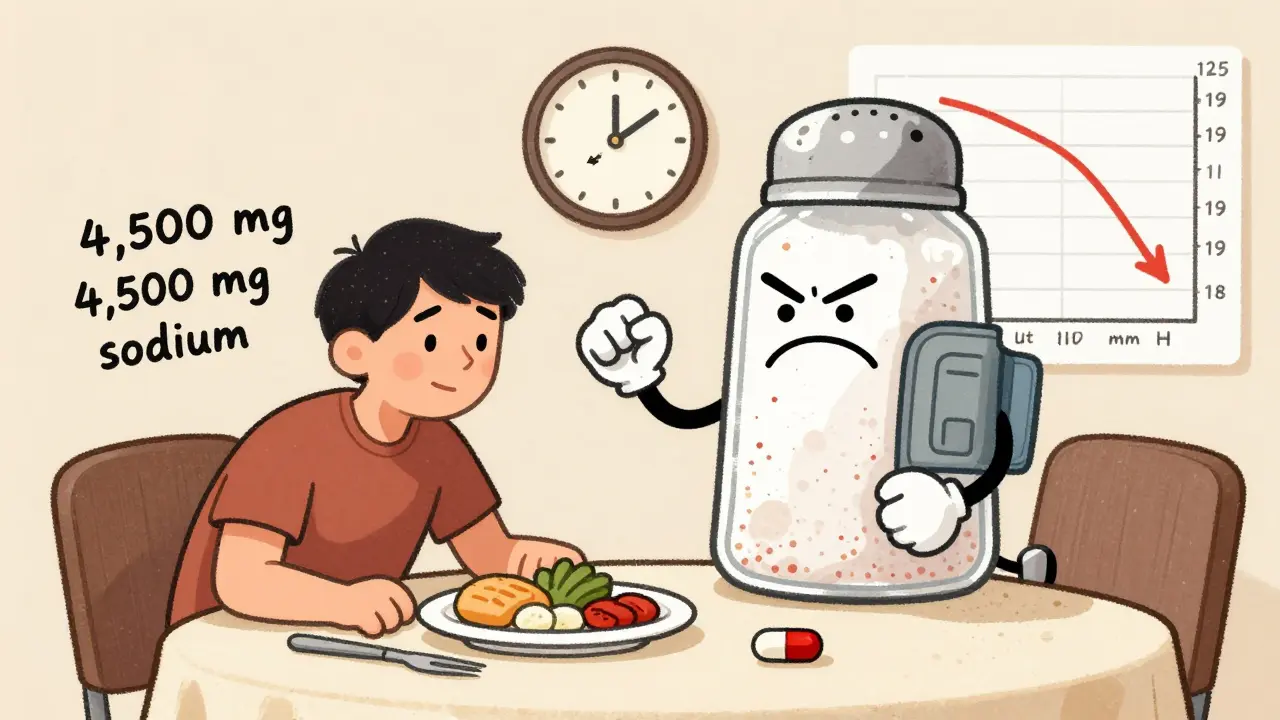
Salt and Blood Pressure Medications: How Sodium Lowers Drug Effectiveness
Cutting sodium can make your blood pressure meds work better - sometimes as effectively as adding another pill. Learn how much salt is too much, where it hides, and what to do about it.
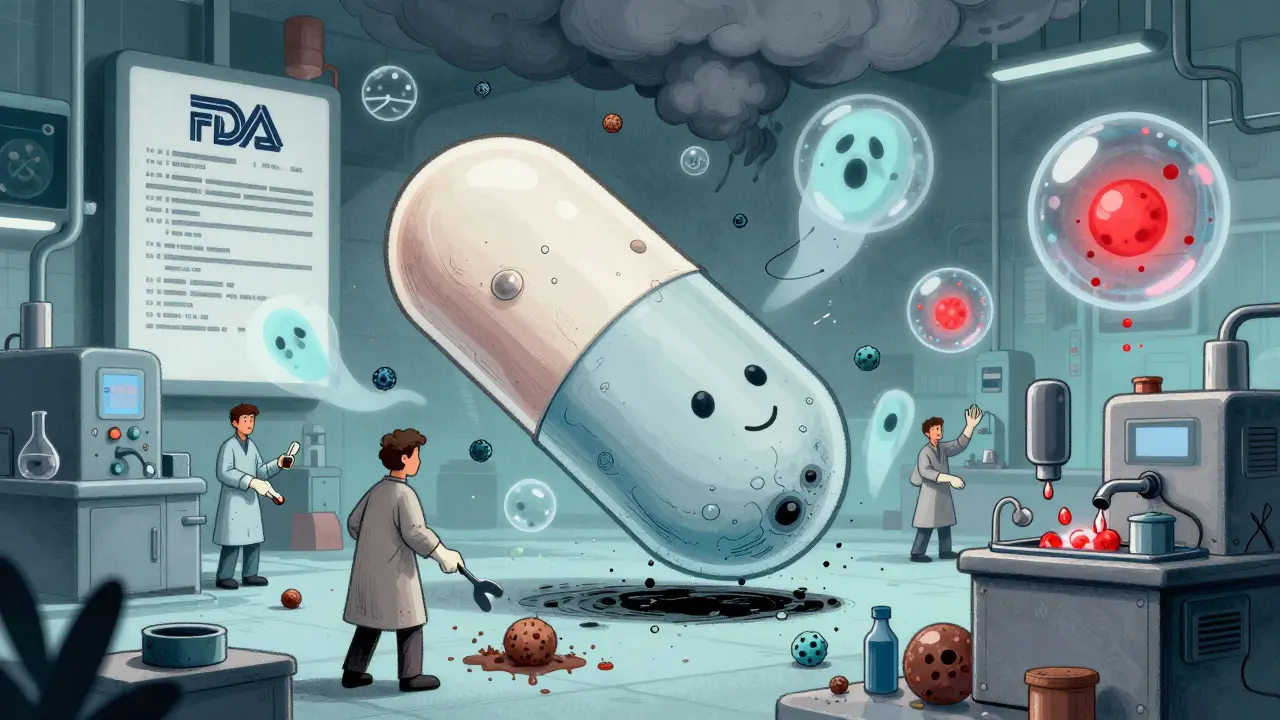
Contamination Controls: Preventing Adulteration in Generic Drug Manufacturing
Contamination controls in generic drug manufacturing prevent dangerous cross-contamination, ensuring patient safety and regulatory compliance. Learn how cleanrooms, human factors, and new FDA rules are reshaping the industry.
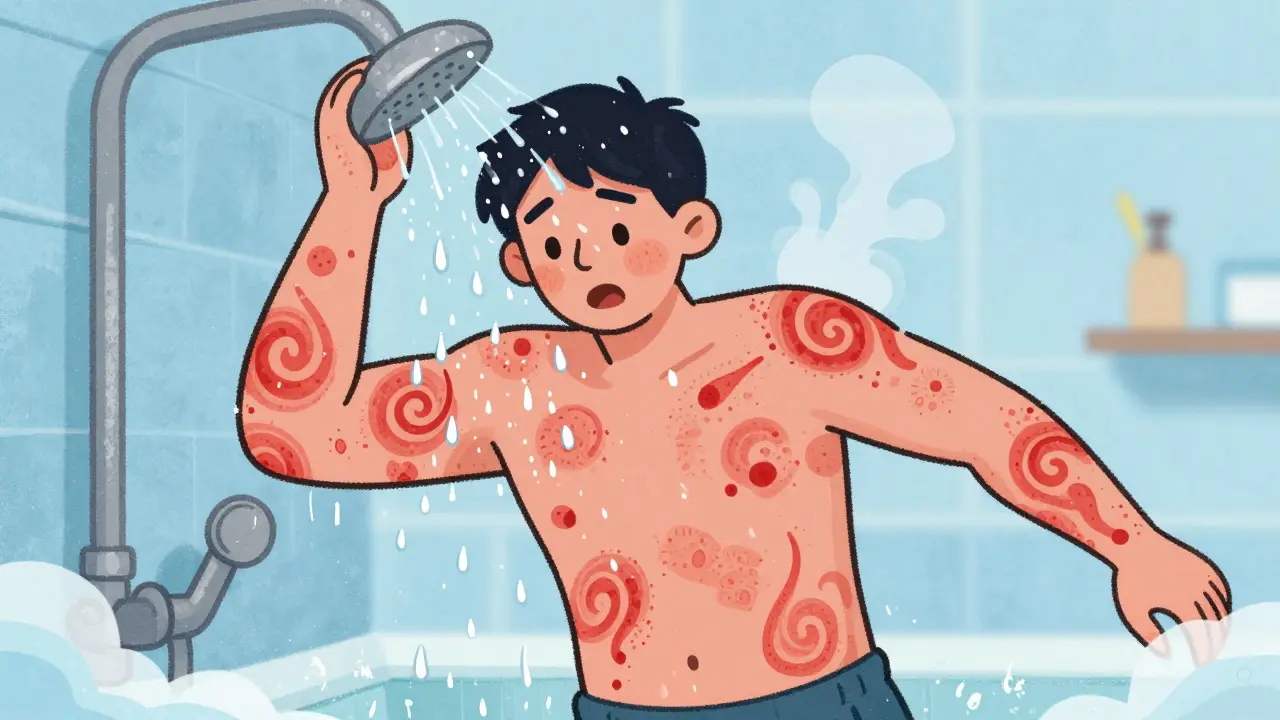
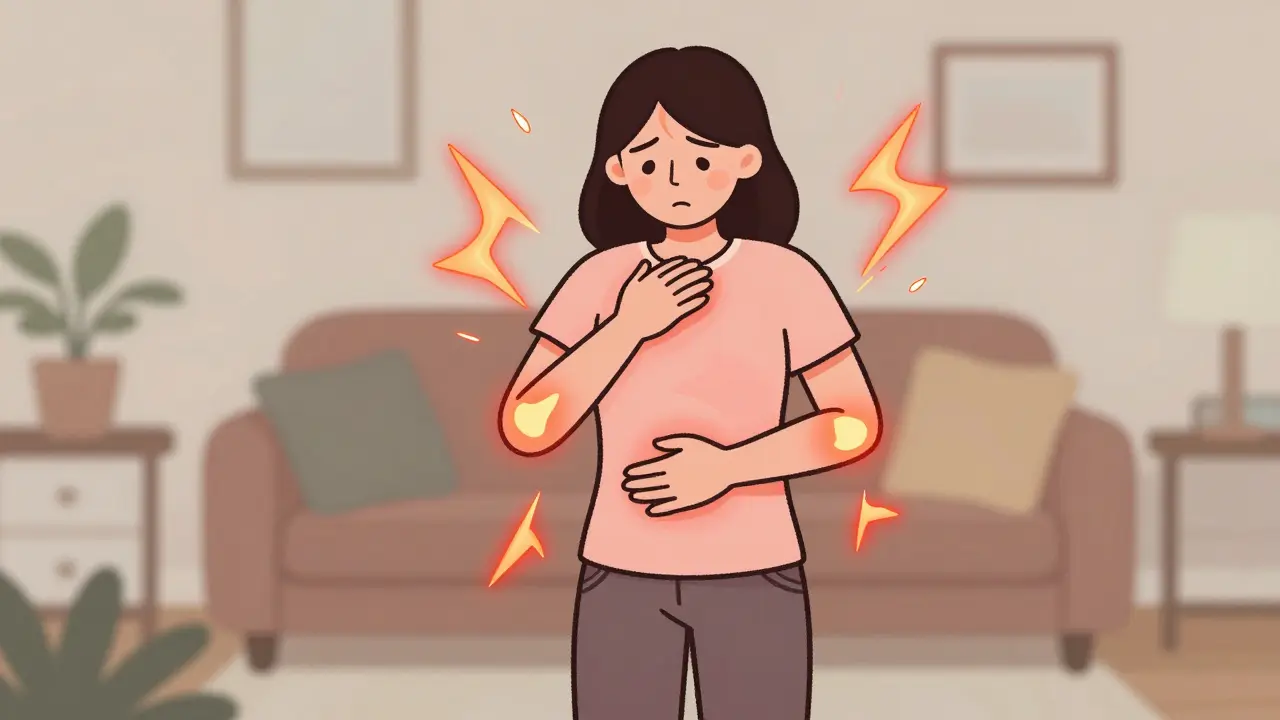
Cold-Induced Urticaria: What Happens When Cold Triggers Hives
Cold-induced urticaria causes hives and swelling when skin is exposed to cold. It can be mild or life-threatening, especially during cold water exposure. Learn how it works, how to diagnose it, and what treatments actually help.
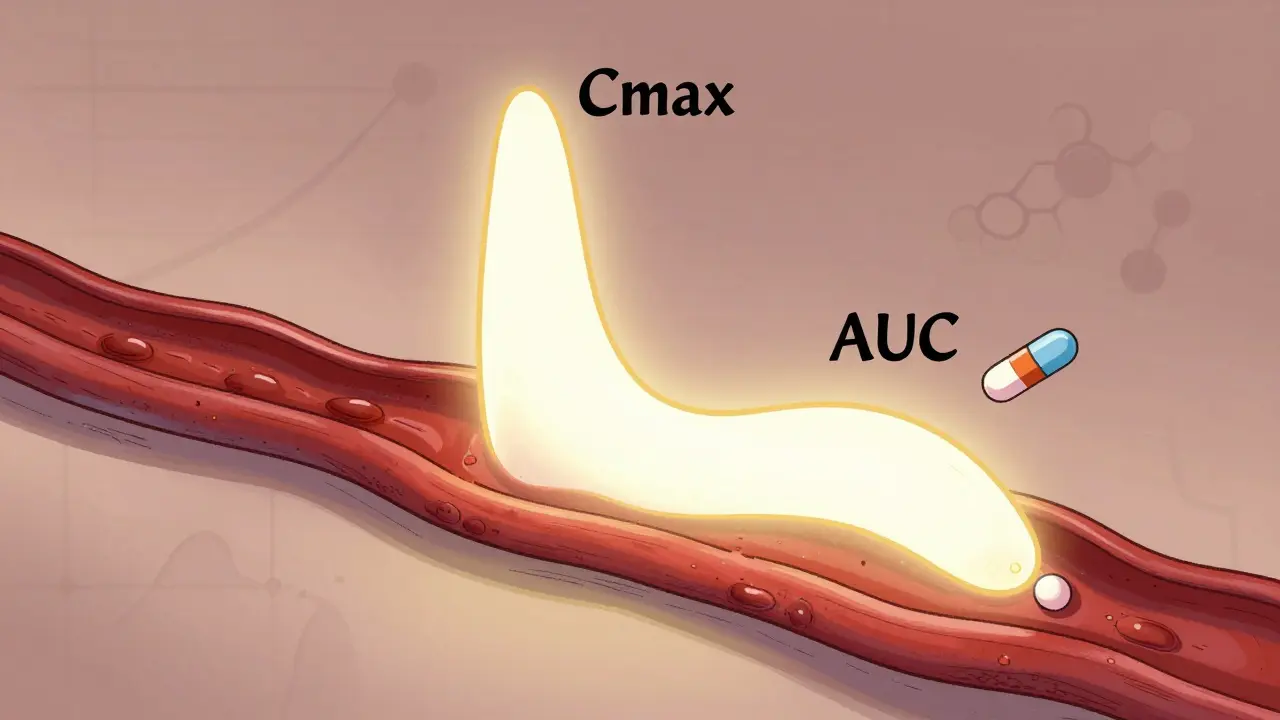
Cmax and AUC in Bioequivalence: Peak Concentration and Systemic Exposure Explained
Cmax and AUC are the two key pharmacokinetic measures used globally to prove generic drugs work like brand-name versions. Cmax shows peak concentration, AUC shows total exposure-both must meet strict 80%-125% criteria for approval.
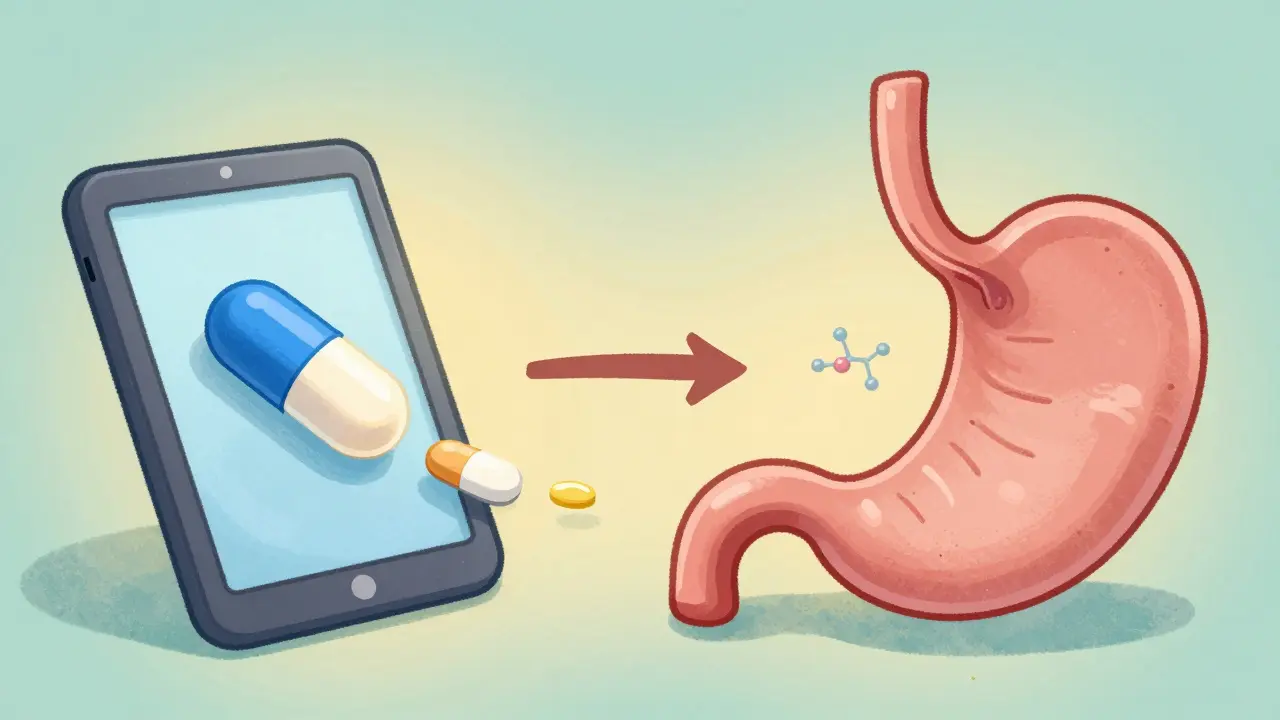
Formulation Differences and Side Effects: Tablets, Capsules, and Extended-Release Medications
Tablets, capsules, and extended-release medications differ in how they release drugs in your body-impacting side effects, dosing, and effectiveness. Learn how formulation affects your treatment and what to ask your doctor.

Opioid Overdose: How to Recognize the Signs, Respond in an Emergency, and Use Naloxone
Learn how to recognize the signs of an opioid overdose, respond with naloxone, and save a life. Fentanyl-laced drugs make this knowledge critical for everyone.
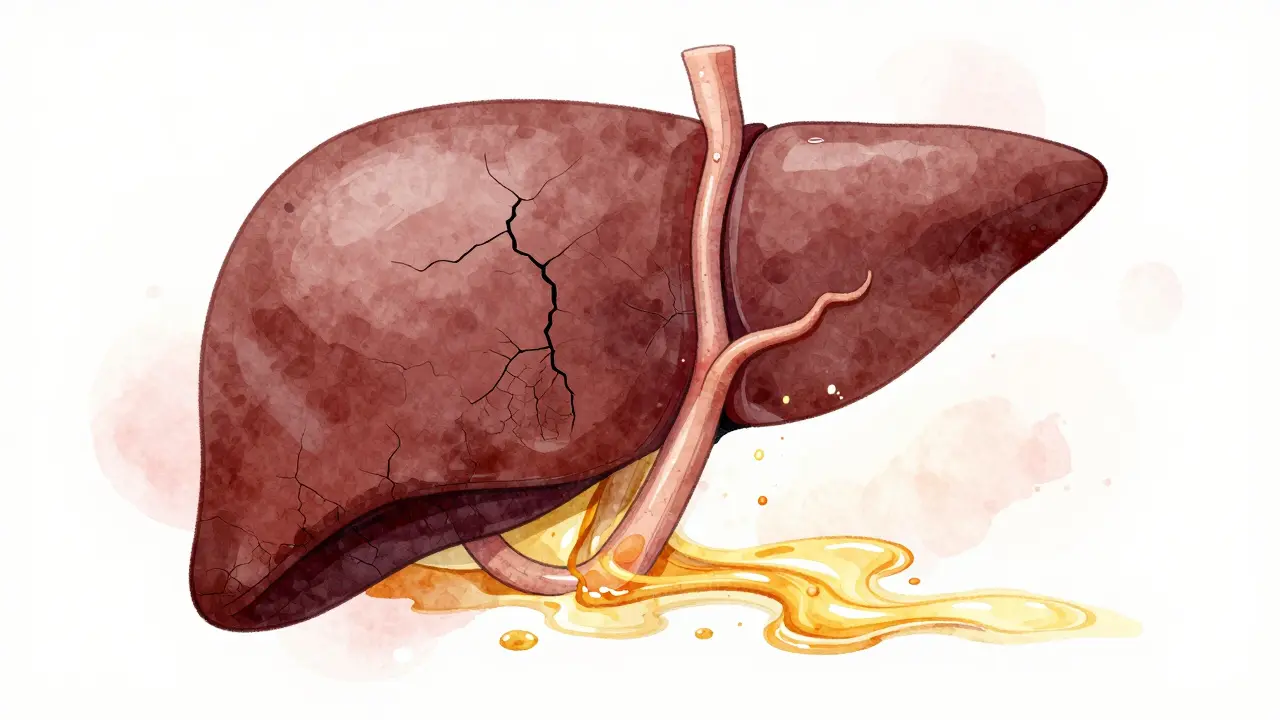
Primary Sclerosing Cholangitis: Understanding the Progressive Bile Duct Disease
Primary Sclerosing Cholangitis (PSC) is a rare, progressive liver disease that damages bile ducts, leading to scarring and liver failure. With no cure yet, management focuses on symptom control and monitoring for complications like cancer. New therapies are on the horizon.

Cancer Survivorship: Managing Long-Term Effects and Recurrence
Cancer survivorship means more than surviving treatment - it’s about managing lasting side effects, preventing recurrence, and rebuilding your life. Learn what to watch for, who to see, and how to take control.

Carpal Tunnel Syndrome: Nerve Compression and Treatment Options
Carpal tunnel syndrome is a common nerve compression disorder causing numbness, pain, and weakness in the hand. Early treatment with splints, exercises, or injections can prevent permanent damage - surgery is highly effective when conservative methods fail.